
00:00
00:00
00:00
00:00

Women on borrowed time, from abuse to femicide

This series tells the story of women victims of domestic violence, some of whom have caused their death. This is the case of Refka Cherni, killed by her husband in May 2021 in Kef. In this podcast, relatives of women victims of femicide as well as women victims of violence testify to put these dramas at the heart of the public debate.
13 December 2021
series Femmes en Sursis, de l’emprise au féminicide - نسا في "سرسي"، من السطوة إلى قتل النساء Cette série raconte l’histoire de femmes victimes de violences conjugales qui, pour certaines, ont causé leur mort. C’est le cas de Refka Cherni, tuée par son mari en mai 2021 au Kef. En Tunisie, il est impossible de comptabiliser les féminicides puisque les chiffres officiels n’existent pas. Ils sont traités comme des faits divers isolés alors même que le féminicide est la fin tragique d’un mécanisme d’emprise, de domination et de violences instauré par un homme dans le cadre d’une relation amoureuse ou familiale. Celui-ci peut-être le partenaire ou l’ex-partenaire quand le féminicide a lieu dans le cadre d’une relation conjugale. Lorsque la victime tente de sortir de ce cycle de violence, c’est là que l’agresseur sévit. Dans ce podcast, des proches de femmes victimes de féminicide ainsi que des femmes victimes de violences témoignent afin de remettre ces drames au cœur du débat public. تروي هذه السلسلة قصص نساء وقعن ضحايا العنف الزوجي الذي فتك ببعض منهن على غرار رفقة الشارني التي قتلها زوجها في ماي المنقضي بالكاف. يستحيل في تونس تعداد جرائم قتل النساء بسبب غياب الأرقام الرسمية، ويتم التعامل مع هذه الجرائم كأخبار عرضية ومعزولة على الرغم من أن قتل النساء حين يدخل في إطار علاقة زوجية هو نهاية حتمية لآليات سيطرة وهيمنة يوطّدها القرين أو القرين السابق. وعندما تحاول الضحية الفرار من دائرة العنف تلك، حينها يبطش بها المعتدي. يتناول هذا البودكاست شهادات لأقارب ضحايا قتل النساء وشهادات أخريات من ضحايا العنف بغية إعادة هذه المآسي إلى محلّها في قلب النقاش العام. 62439 [{"user_id":""}]

Latest episode

#Her Name is ...

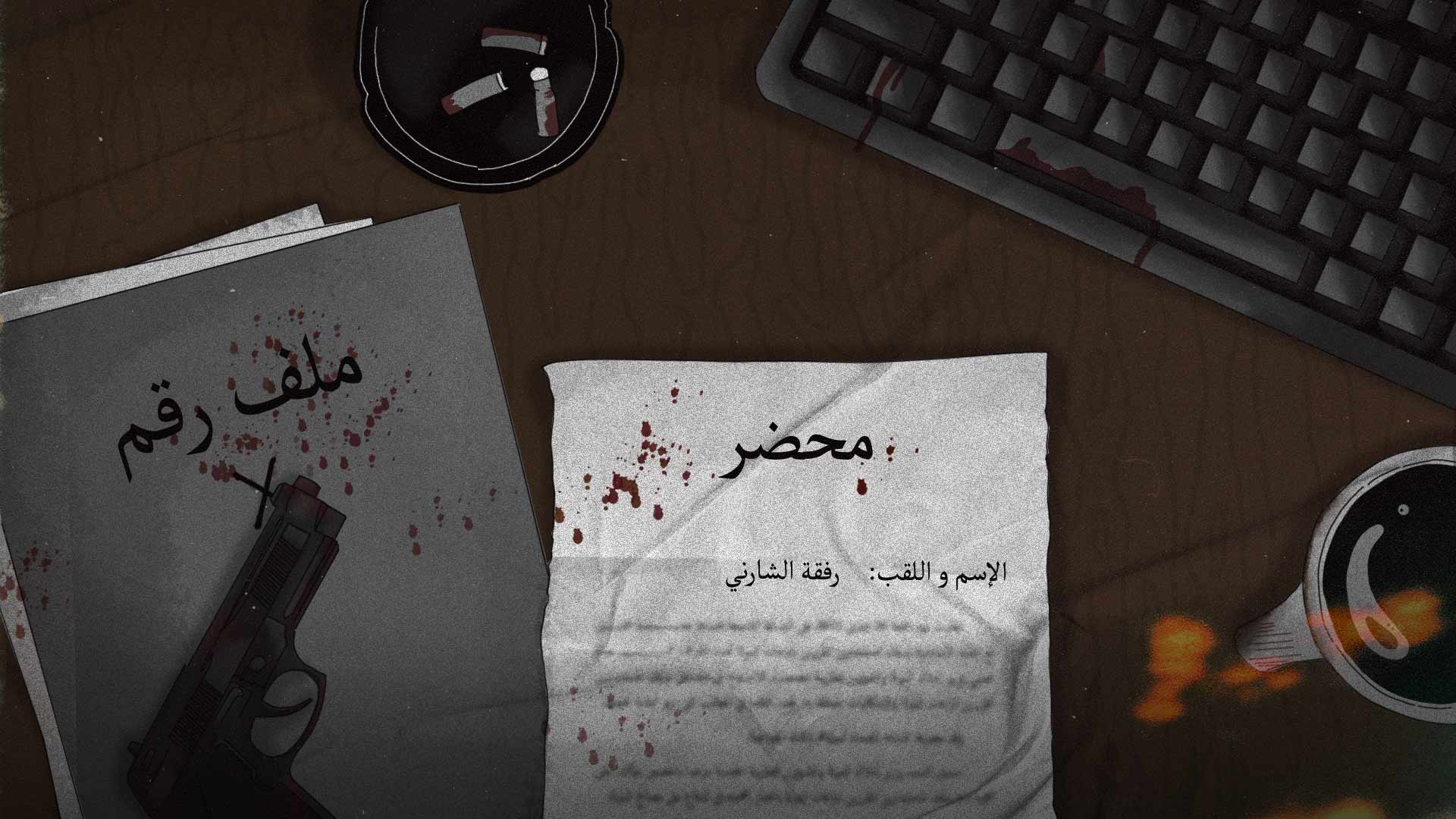
"Her husband gave her no way to survive". On May 9, 2021, Refka Cherni's husband, a National Guard officer, fired five shots at his wife with his service weapon. The young woman had filed a complaint against him for violence a mere 48 hours before.

ALL EPISODES

EPISODE 2

The Survivor

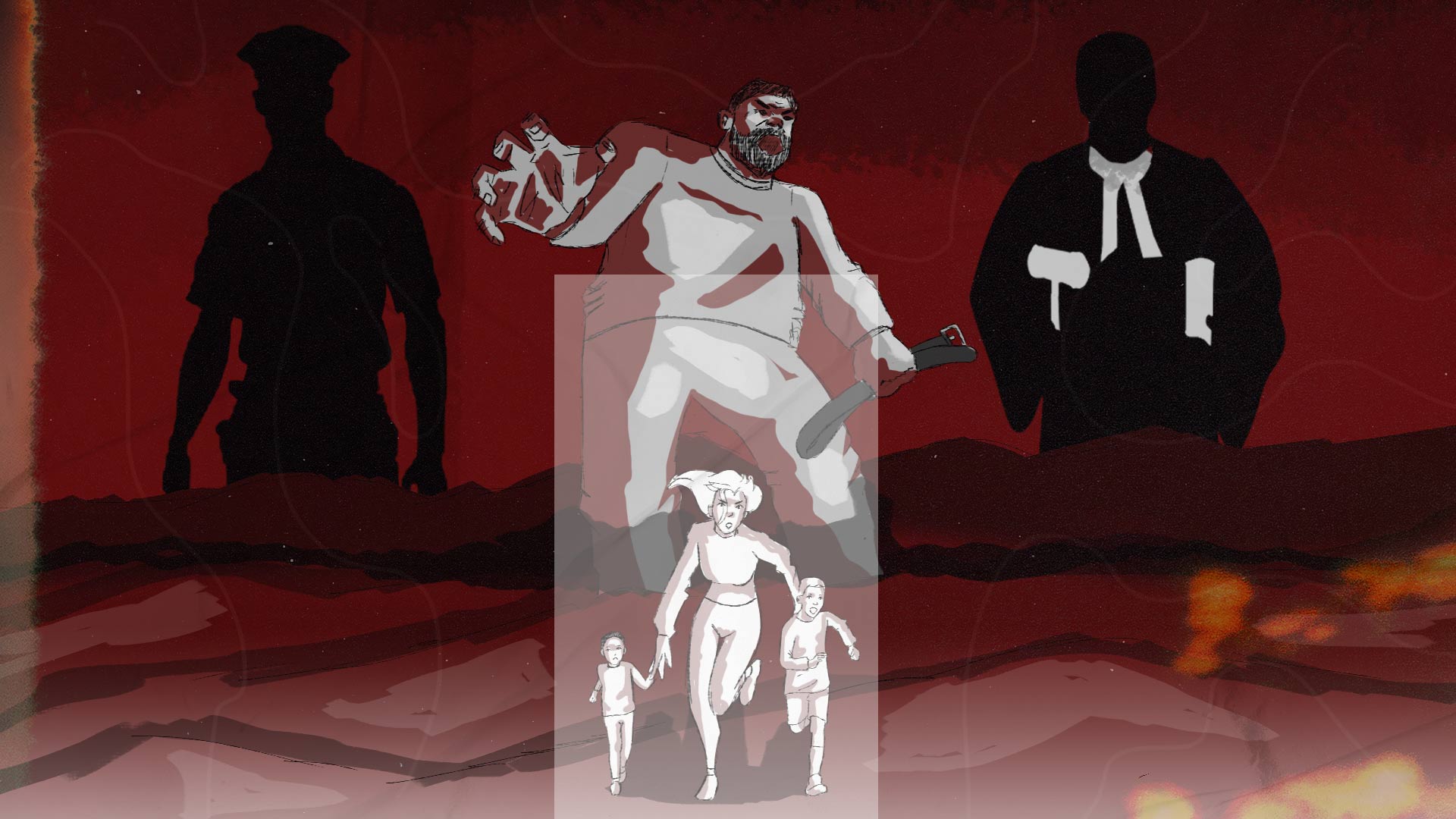
"That's all, I couldn't live with him anymore. I told myself that if he behaved like that with me now, tomorrow he could kill me for sure", Amira was the victim of domestic violence for 16 years. She managed to escape with her children and decided to tell us her story.
EPISODE 4

Media portrayal: the two-pronged punishment of women victims of violence

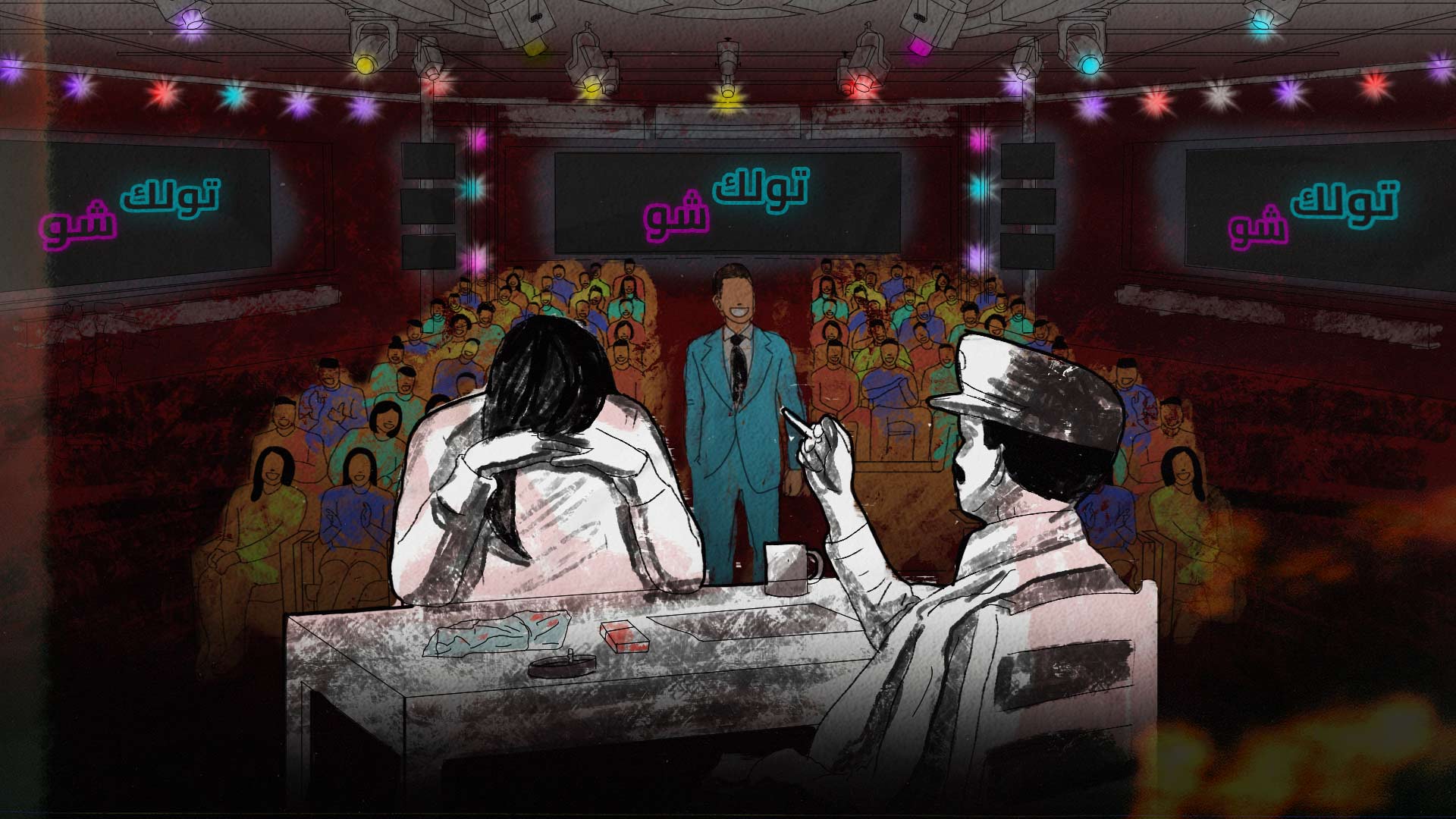
"Let's sweep the case under the rug and marry her to her rapist," exclaimed Ala Chebbi, host of the talk show Andi Mankolek, about a minor who was raped by three members of her family and became pregnant. These statements legitimizing violence against women are frequently heard in several Tunisian programs. Such treatment leads to dramatic consequences for the victims and their loved ones.
EPISODE 3

Souad, between Murder and Mercy

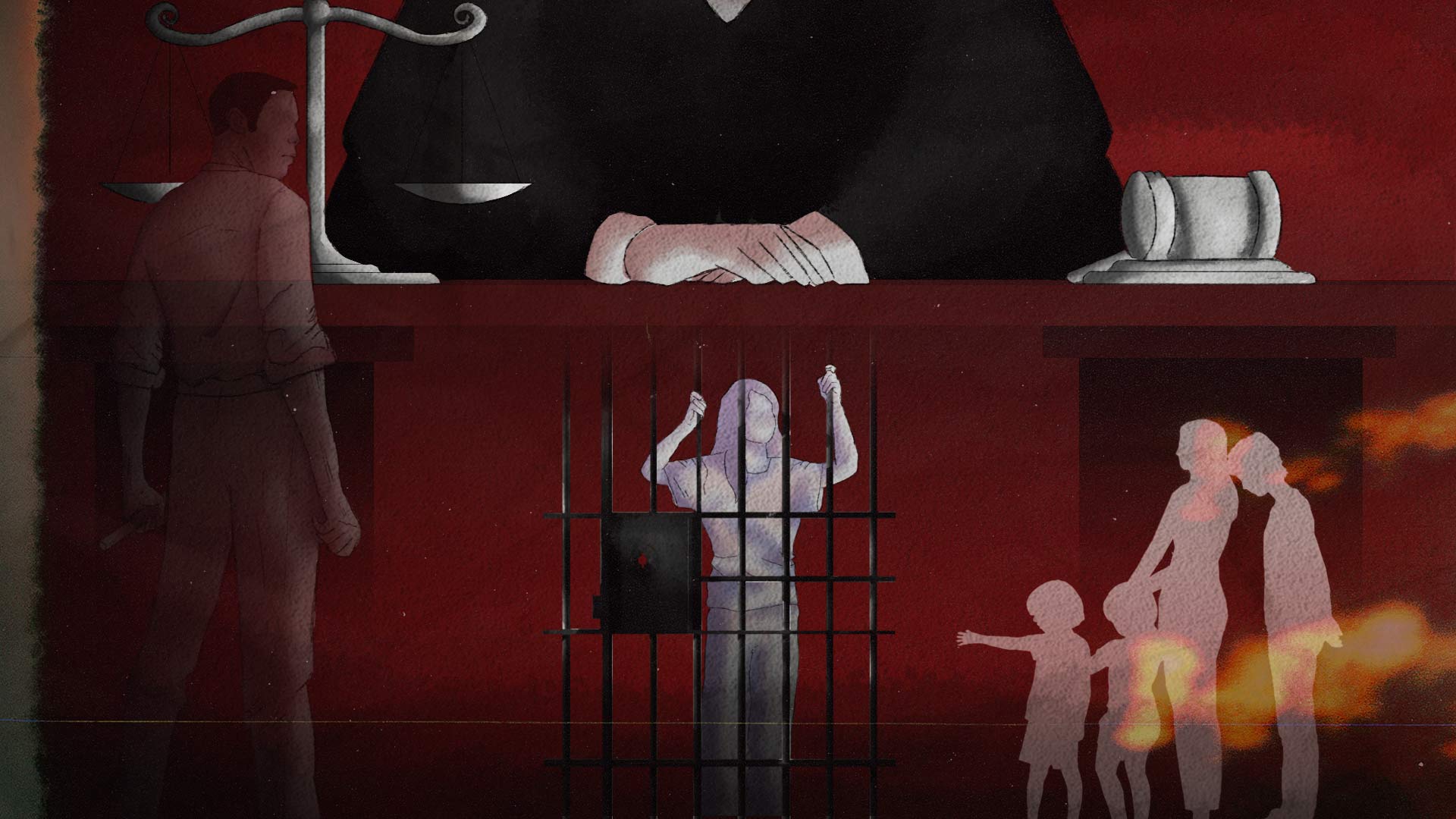
"I had no intention of killing my husband, I only wanted to protect my daughter." In 2019, Souad was sentenced to life imprisonment for murdering her husband. He was abusing her and their four children, but self-defence was not accepted in her case. We tell Souad’s story based on a letter she wrote from prison. and the testimonies of her children.

Recommended for you

| EPISODE 3

Eating in my dreams, starving in prison

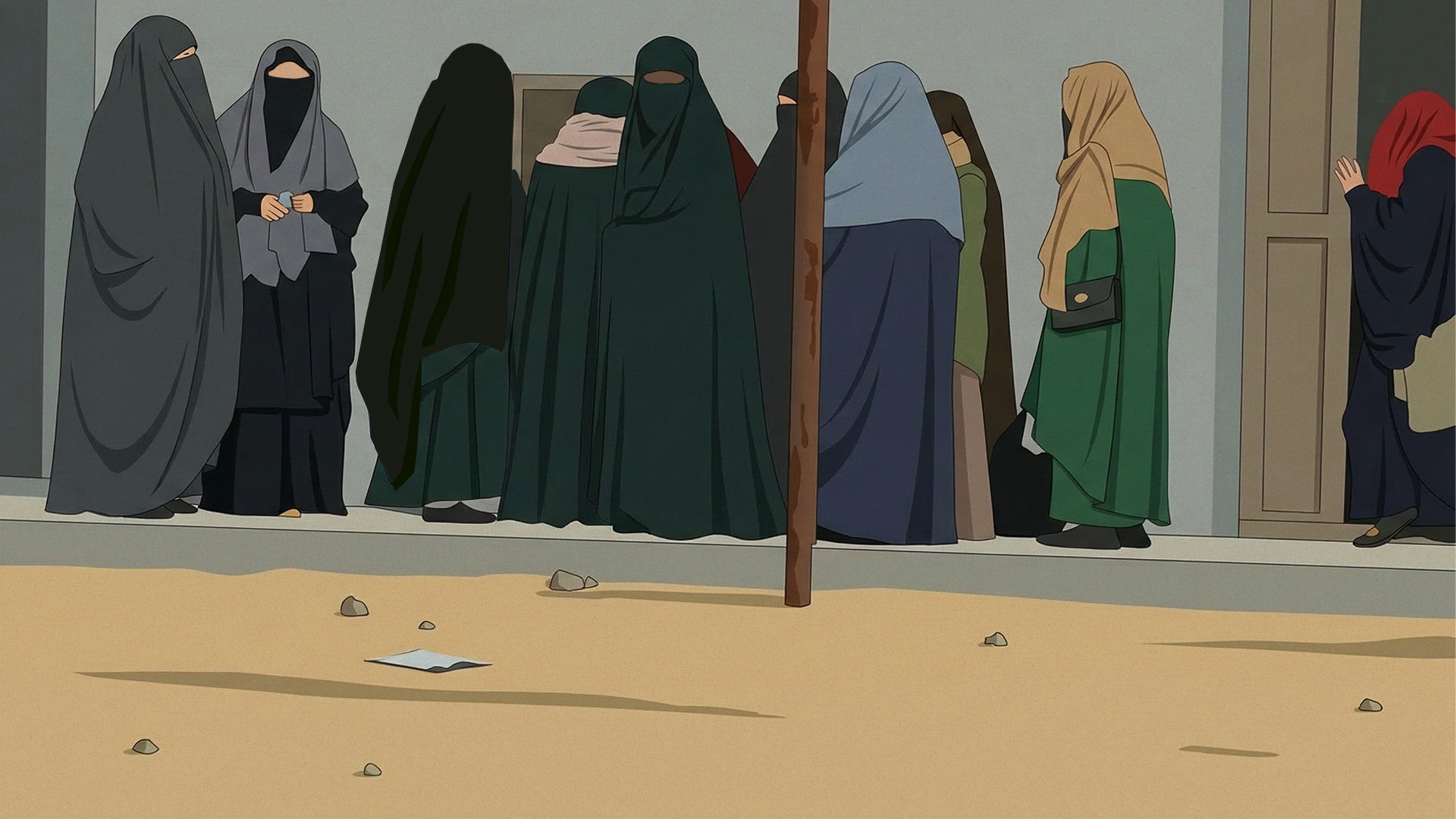
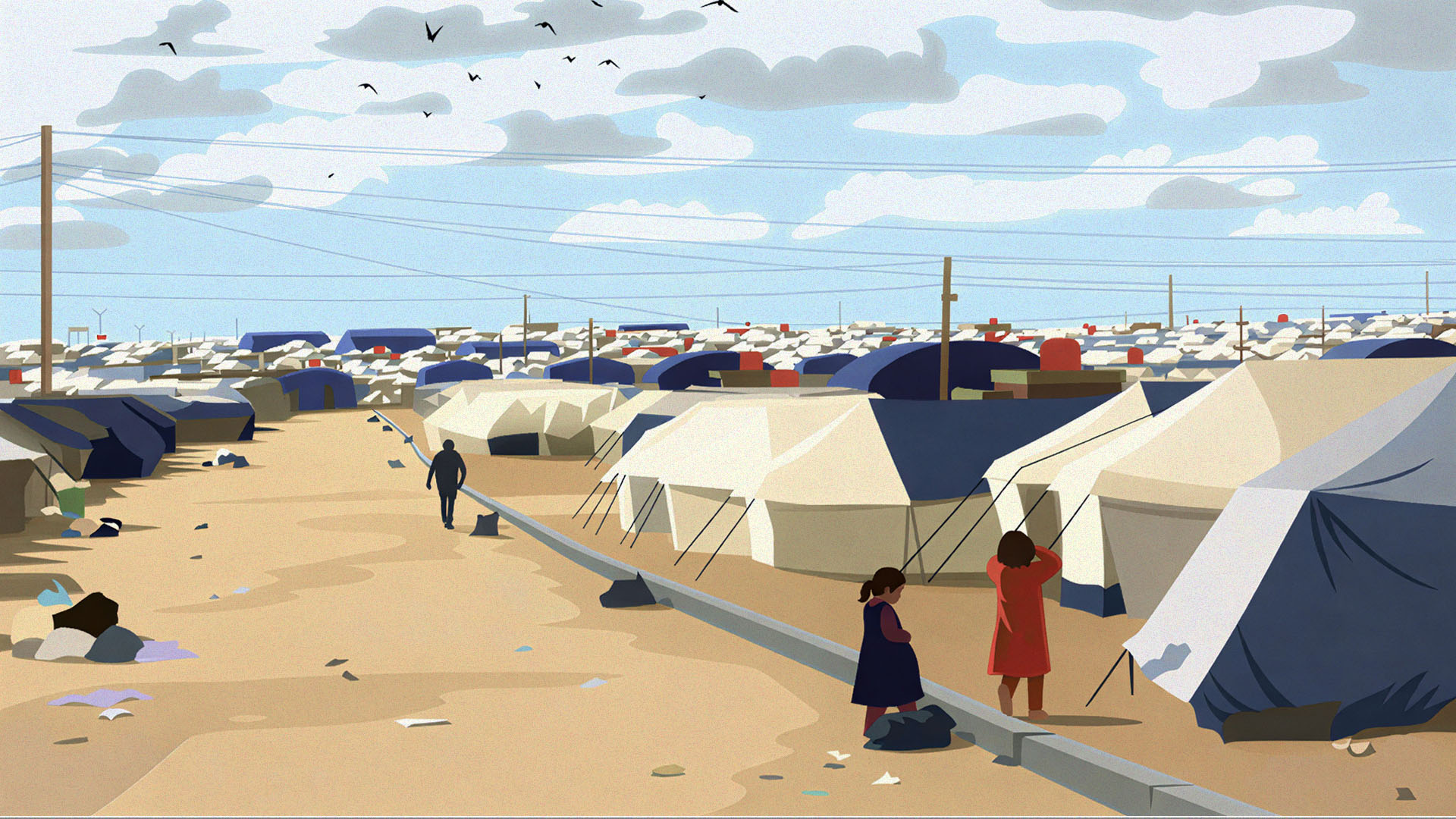
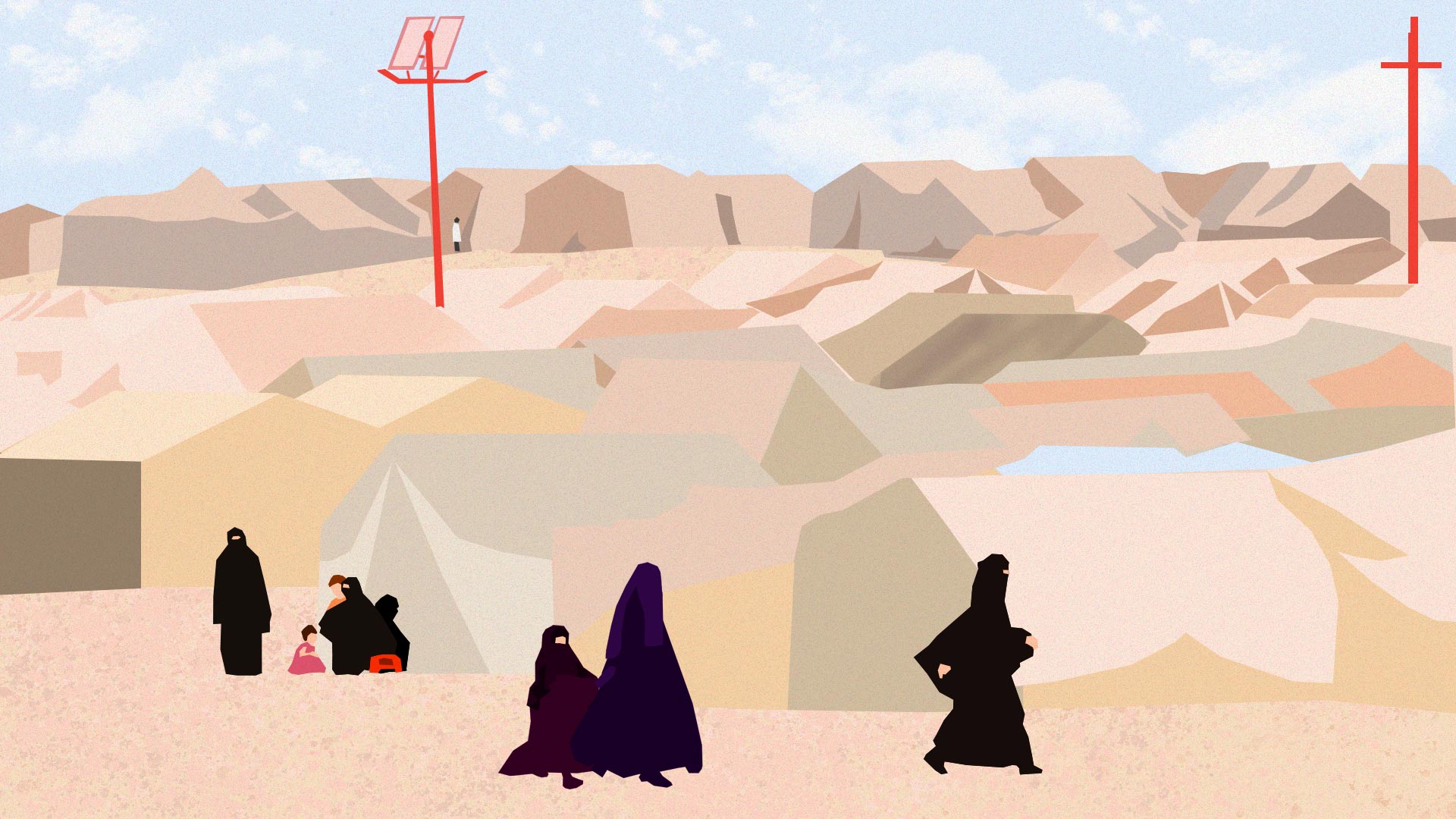
This episode presents a direct testimony about the experience of hunger inside prisons after October 7, and about how food became the central element of daily life in the cells. Omar recounts the impact of the starvation policy imposed on the prisoners, and how it shaped their dreams, their behavior, and their internal organization. From dreaming about food, to storing bread, to a rudimentary barter system, and finally to the tensions and solidarity among prisoners, a documentation of a life governed by severe scarcity, and of hunger turned into a tool of control and punishment.

| EPISODE 2

Humiliation hurts most

Omar recounts how shock and helplessness intertwined in his early days of detention, and how systematic insults became a tool to subdue inmates and silence them through the threat of collective punishment. This is not merely an account of violations, but an attempt to understand how language itself becomes a precise weapon used to erode dignity and restrict any space for resistance within a system designed to strip away humanity.

| EPISODE 1

Interrupted Call

Omar tells us, that during his first days in detention, he repeatedly told prisoners he had been traveling for ten days and hadn’t followed the news, a statement that became a recurring disappointment in every cell he entered. He explains how the circulation of news inside prison resembled an “interrupted call” shaped by fear, survival, and the hunger for hope.

ABOUT

Inkyfada Podcast is the first platform entirely dedicated to original Tunisian podcasts, and was conceived by Inkyfada media in collaboration with the in-house research and development laboratory, InkyLab.
Inkyfada joined the global podcast boom in 2017, when the team produced the first Tunisian audio documentary, diving deep into the belly of the El Kamour struggle taking place in the desert.
Since then, Inkyfada Podcast has produced a wide variety of documentaries, investigations, and podcast series, as well as articles accompanied by music; covering a multitude of contemporary issues in order to offer an immersive and alternative podcast experience.
Whilst exclusively offering audio content, the Inkyfada Podcast team upholds the same core values and principles of inkyfada.com, and is committed to producing high quality content though a dynamic and meticulous production process.
In addition to the permanent team, Inkyfada podcast works closely with various journalists, artists, illustrators, musicians and other content creators in order to diversify the platform and support artistic creativity.
These podcasts differ from traditional radiophonic content in that the applied production and editing process is more akin to cinematographic techniques, in addition to being web-based, downloadable and accessible on demand.
Additionally, Inkyfada Podcast uniquely offers subtitles in French, Arabic and English for all audio content, the majority of which is recorded in Tunisian or in the preferred language of the speaker in question.

More information