

The Commons
Latest episode
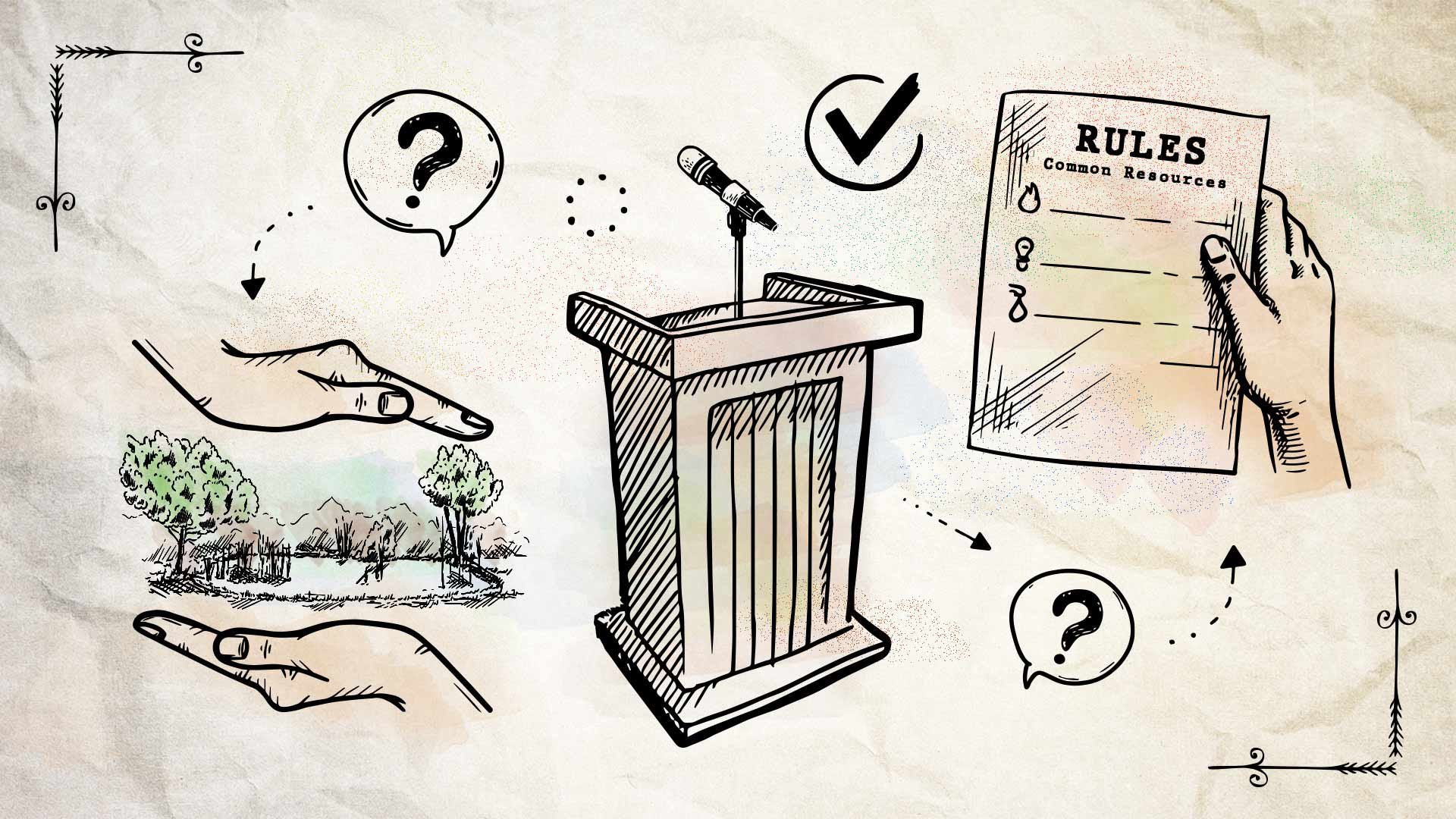
Implementing the Commons: Interview with Safouane Azouzi
ALL EPISODES
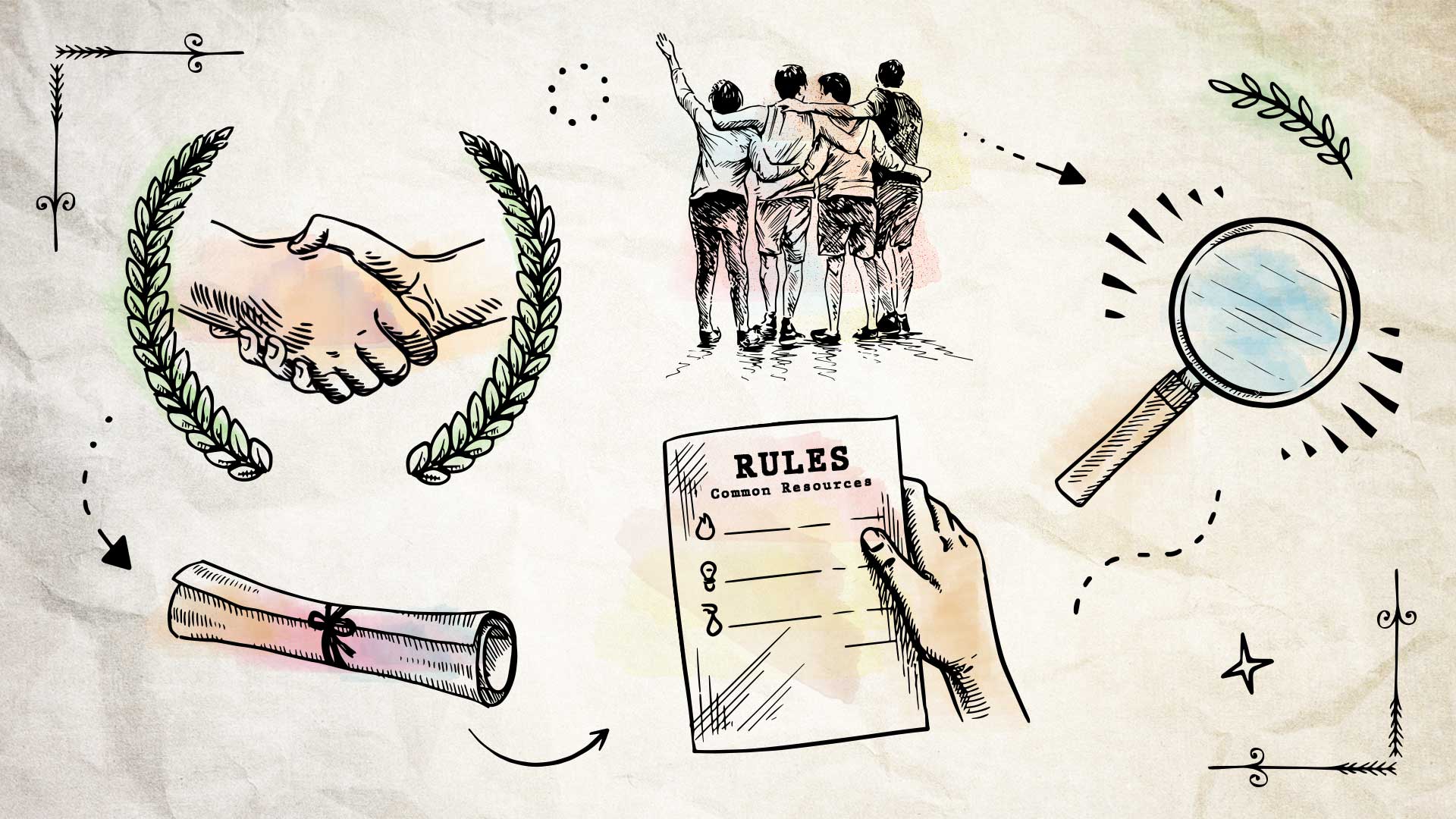 | EPISODE 2Challenges of the Commons : Resisting the System and Reinventing the Future | In this second episode, we broaden our perspective to examine the commons by shedding light on innovative initiatives and projects that seek to preserve and grow the commons while facontemporary challenges. | |
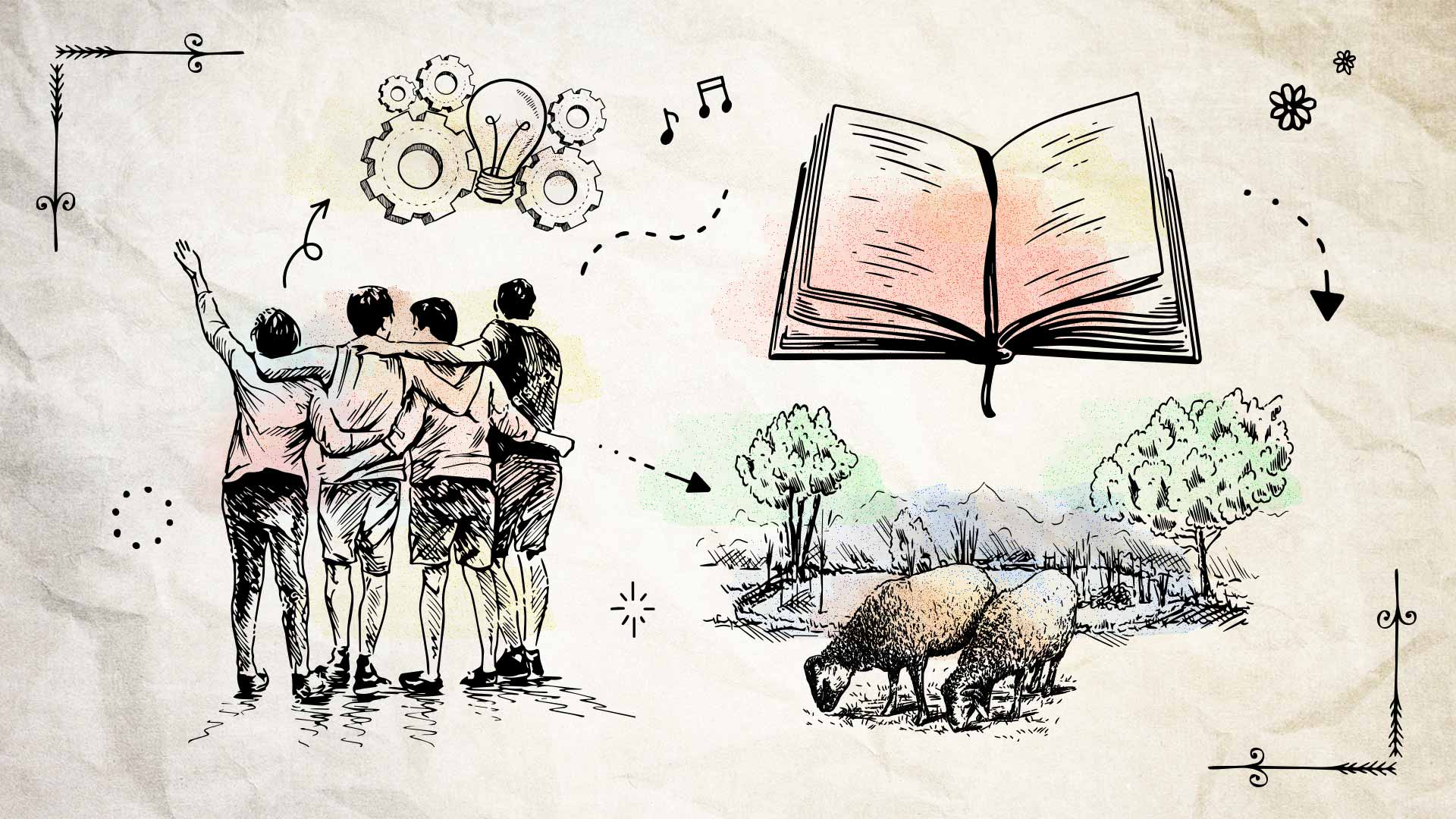 | EPISODE 1Commons in Action: Building a Future of Sharing in Tunisia | "There is no Commons without Communing ". While the term the " Commons " is often read as a noun referring to things that can be shared such as the sea, the internet, or land it is actually much more helpful to understand the Commons as a verb. The Commons are a set of ongoing practices, not an inert physical resource. | |
Recommended for you
In the heart of Al Roj
kids off the grid
A lost life
ABOUT
Inkyfada Podcast is the first platform entirely dedicated to original Tunisian podcasts, and was conceived by Inkyfada media in collaboration with the in-house research and development laboratory, InkyLab. Inkyfada joined the global podcast boom in 2017, when the team produced the first Tunisian audio documentary, diving deep into the belly of the El Kamour struggle taking place in the desert. Since then, Inkyfada Podcast has produced a wide variety of documentaries, investigations, and podcast series, as well as articles accompanied by music; covering a multitude of contemporary issues in order to offer an immersive and alternative podcast experience. Whilst exclusively offering audio content, the Inkyfada Podcast team upholds the same core values and principles of inkyfada.com, and is committed to producing high quality content though a dynamic and meticulous production process. In addition to the permanent team, Inkyfada podcast works closely with various journalists, artists, illustrators, musicians and other content creators in order to diversify the platform and support artistic creativity. These podcasts differ from traditional radiophonic content in that the applied production and editing process is more akin to cinematographic techniques, in addition to being web-based, downloadable and accessible on demand. Additionally, Inkyfada Podcast uniquely offers subtitles in French, Arabic and English for all audio content, the majority of which is recorded in Tunisian or in the preferred language of the speaker in question.
SUBSCRIBE
Our podcasts are also available on:


NEWSLETTER
Subscribe to our newsletter and receive the latest updates.
Your email address is only used to send you inkyfada podcast newsletters. You can use the unsubscribe link integrated in the newsletter at any time.