

Talking papers
Latest episode
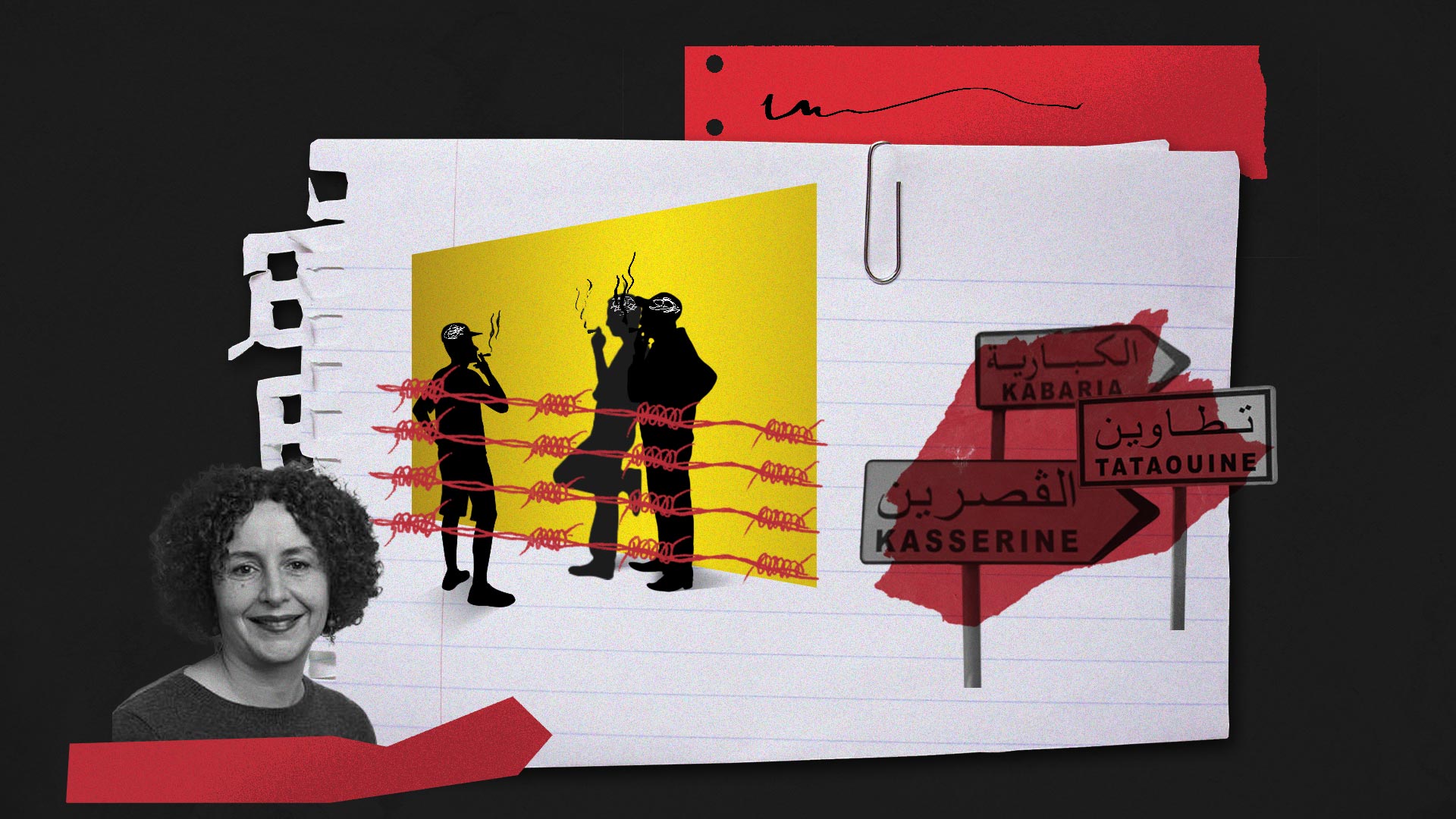
Youth on the Margins and their Mental Health, with Olfa Lamloum
ALL EPISODES
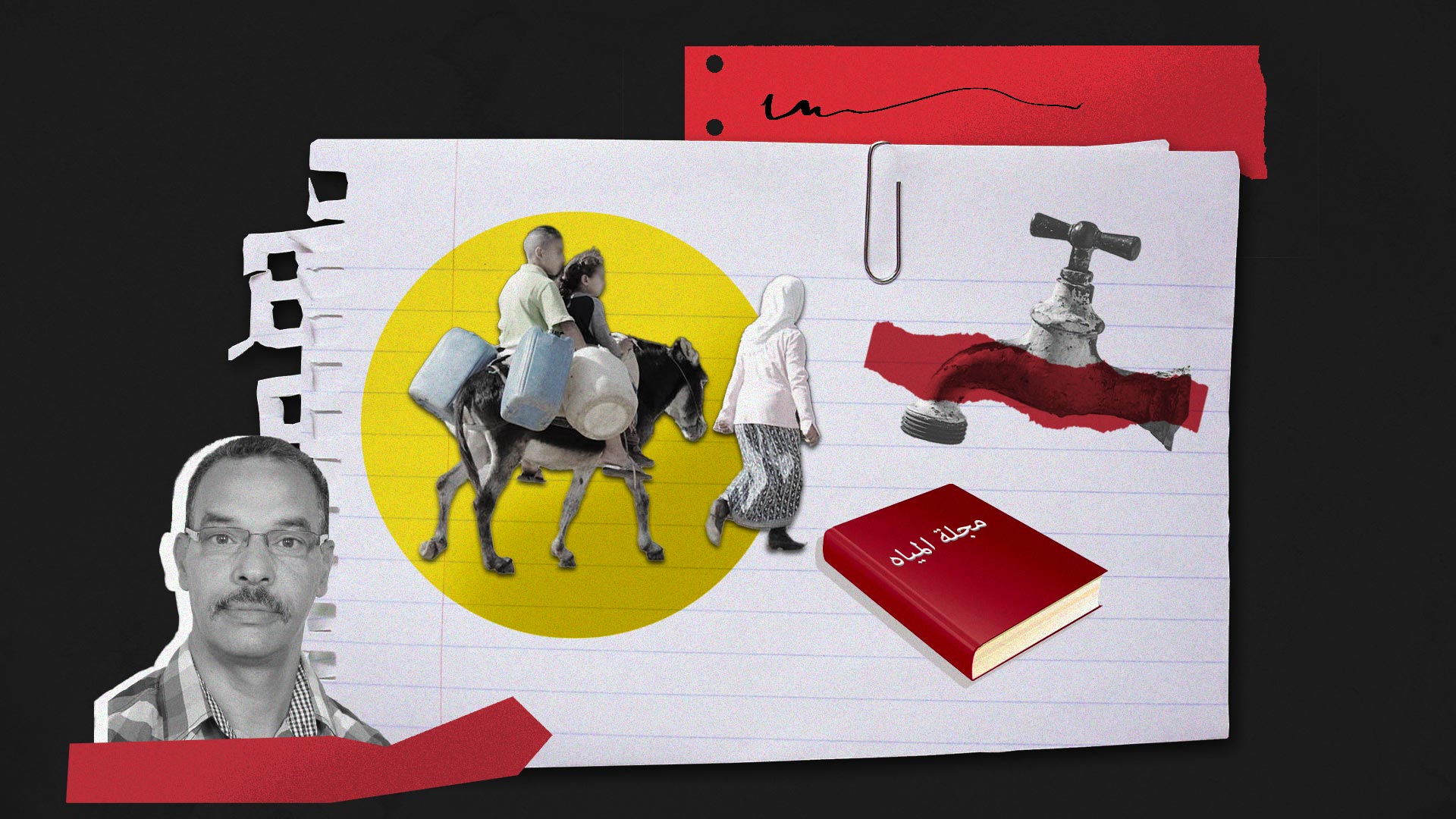 | EPISODE 4Water crisis in Tunisia, with Houssin Rhili | Does the legislative and legal system of water contribute to the implementation of inequitable and unsustainable public policies regarding the management of the hydraulic public domain? What are the possible alternatives in the face of pressure for the adoption of a new Water Code by presidential decree? Interview with Houssin Rhili. | |
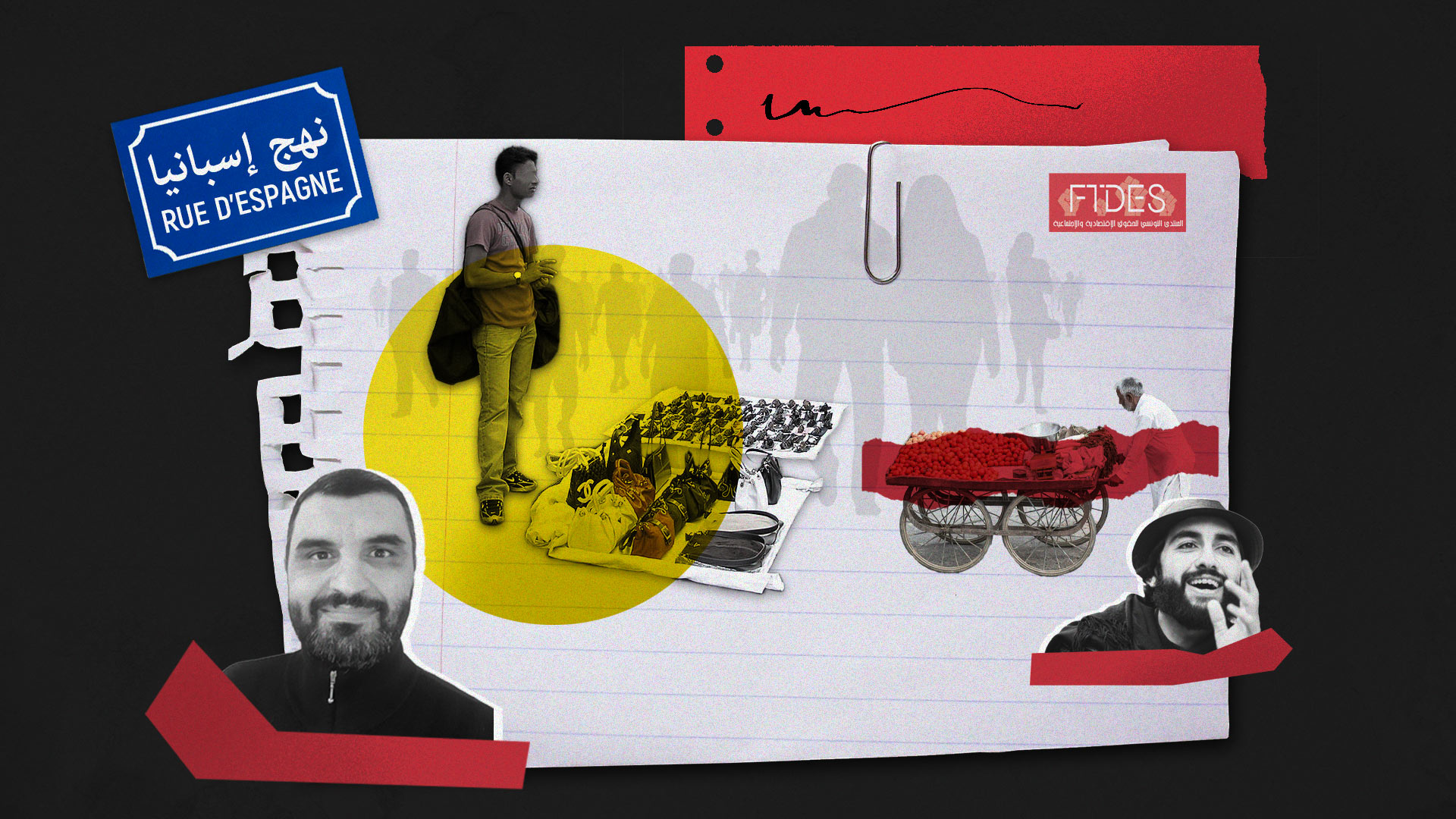 | EPISODE 3Street vendors and the formation of masculinities, with Ridha Karem | An interview with the researcher Ridha Karem about the chapter on the “approach to the genesis of the masculinities of the street trader" included in the study published under the direction of the FTDES “The street of Spain market or the essence of a street economy in Tunisia”. | |
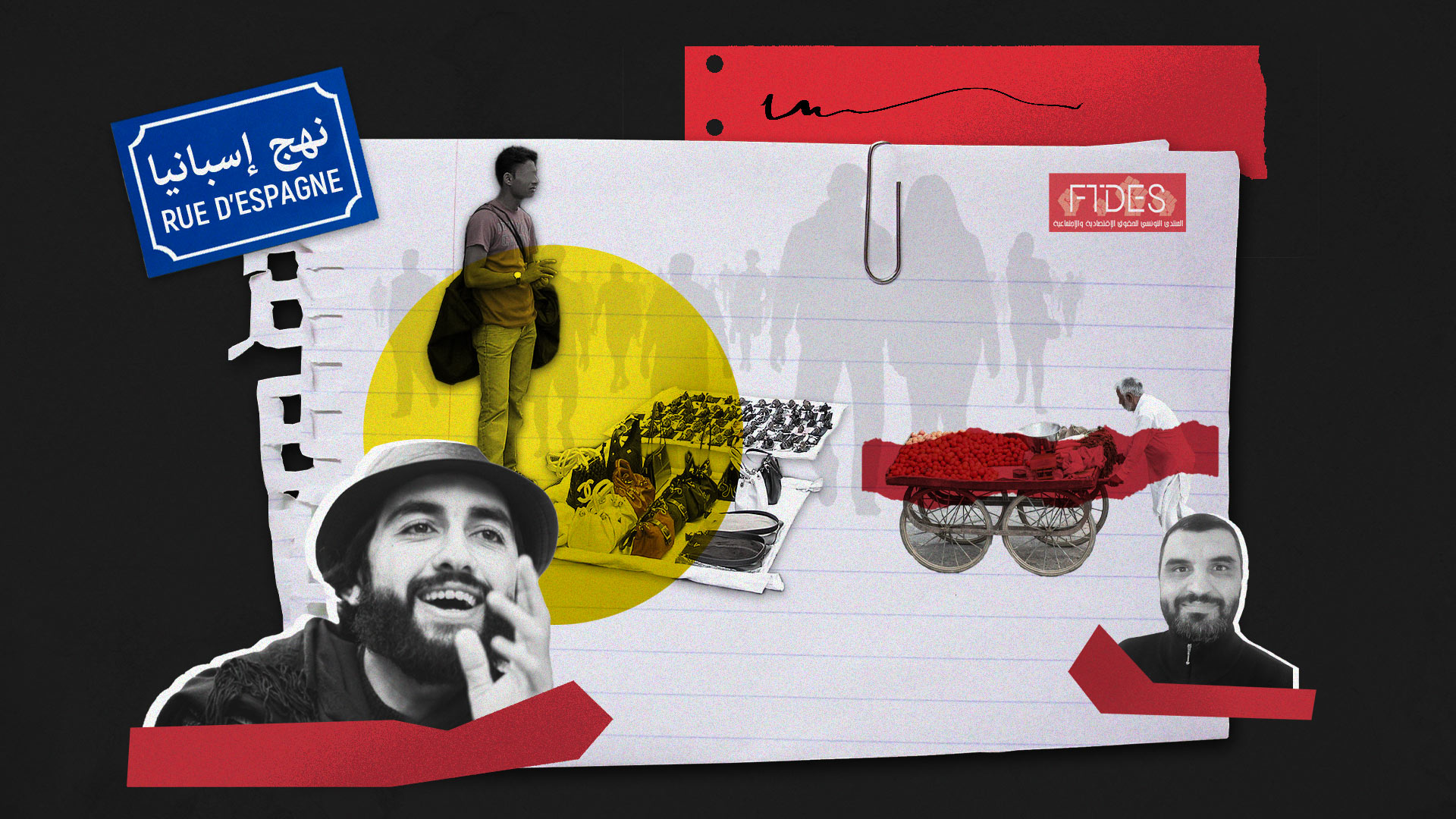 | EPISODE 2The essence of a street economy, with Sofien Jaballah | In recent years, the informal economy has become increasingly important in Tunisia. Some international organizations have estimated that it represents 53% of the country's GDP. An interview with Sofiane Jaballah about the study he coordinated for the FTDES: The Street of Spain market or the essence of a street economy in Tunisia. | |
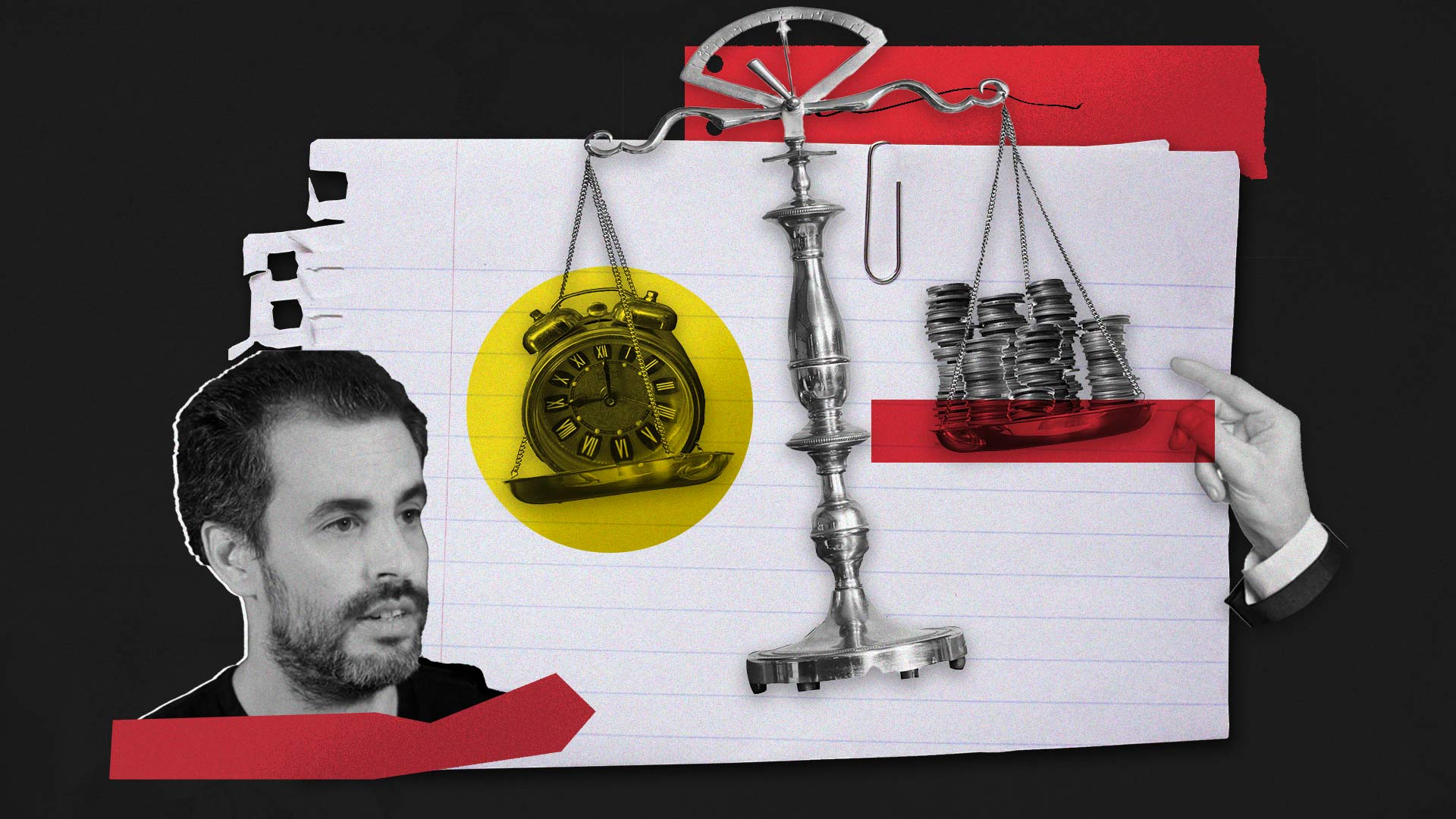 | EPISODE 1Fiscal justice, with Amine Bouzaiene | Fiscal justice as a means to reduce social disparities, guarantee economic and social rights, remedy the public finance deficit and meet the International Monetary Fund's requirements. An interview with Amine Bouziane about his research paper "Fiscal Justice: A Matter of Survival Within Tunisia's Grasp" | |
Recommended for you
In the heart of Al Roj
kids off the grid
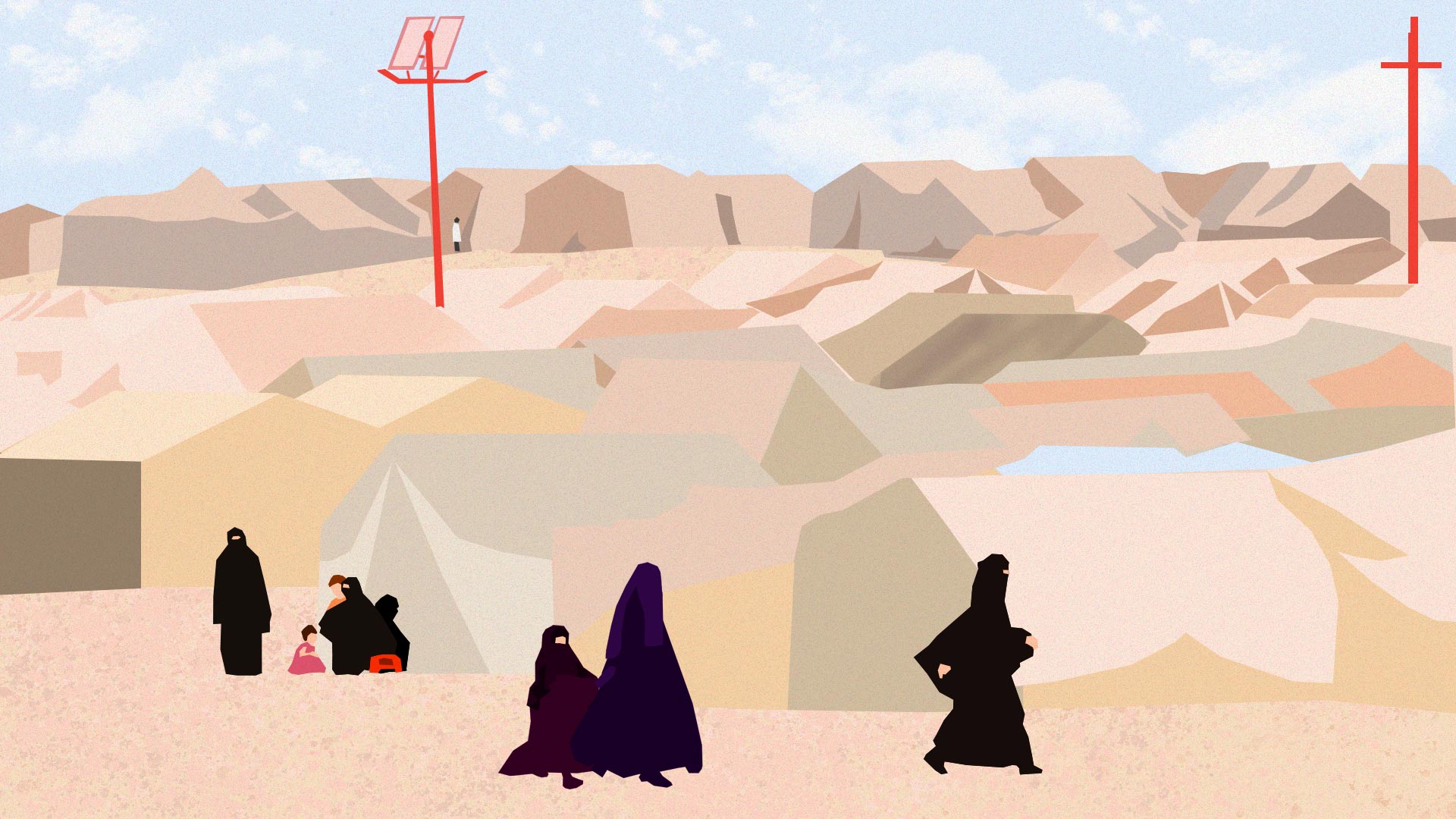
A lost life
ABOUT
Inkyfada Podcast is the first platform entirely dedicated to original Tunisian podcasts, and was conceived by Inkyfada media in collaboration with the in-house research and development laboratory, InkyLab. Inkyfada joined the global podcast boom in 2017, when the team produced the first Tunisian audio documentary, diving deep into the belly of the El Kamour struggle taking place in the desert. Since then, Inkyfada Podcast has produced a wide variety of documentaries, investigations, and podcast series, as well as articles accompanied by music; covering a multitude of contemporary issues in order to offer an immersive and alternative podcast experience. Whilst exclusively offering audio content, the Inkyfada Podcast team upholds the same core values and principles of inkyfada.com, and is committed to producing high quality content though a dynamic and meticulous production process. In addition to the permanent team, Inkyfada podcast works closely with various journalists, artists, illustrators, musicians and other content creators in order to diversify the platform and support artistic creativity. These podcasts differ from traditional radiophonic content in that the applied production and editing process is more akin to cinematographic techniques, in addition to being web-based, downloadable and accessible on demand. Additionally, Inkyfada Podcast uniquely offers subtitles in French, Arabic and English for all audio content, the majority of which is recorded in Tunisian or in the preferred language of the speaker in question.
SUBSCRIBE
Our podcasts are also available on:


NEWSLETTER
Subscribe to our newsletter and receive the latest updates.
Your email address is only used to send you inkyfada podcast newsletters. You can use the unsubscribe link integrated in the newsletter at any time.