
00:00
00:00
00:00
00:00

| EPISODE 4

My body became a battlefield for torture

How does a prisoner’s body become a battlefield? In this episode, Omar recounts months of constant itching, lice, scabies, painful boils, and fragmented sleep, a condition easily treatable outside prison, yet turned inside into a daily method of torture.
10 December 2025
series [{"user_id":"3676","role":"Editorial support"},{"user_id":"1473","role":"Sound design"},{"user_id":"1408","role":"Graphic arts"}] https://inkyfada.com/wp-content/uploads/2025/12/Podcast-Assir-Episode-04-الجسد-صار-ساحة-تعذيب.mp3 Podcast : Assir - Episode 04 : Mon corps est devenu un terrain de torture | بودكاست: "أسير" - الحلقة 04 : الجسد صار ساحة تعذيب | Episode 04 : My body became a battlefield for torture Episode 04 : Mon corps est devenu un terrain de torture | الحلقة 04 : الجسد صار ساحة تعذيب | Episode 04 : My body became a battlefield for torture
كيف يتحوّل جسد الأسير إلى ساحة معركة؟ في هذه الحلقة، يحكي عمر عن أشهر من الحكّة التي لا تتوقف، عن القمل والجرب والدمامل والنوم المقطوع، وعن مرضٍ بسيط العلاج خارجه لكنه تحوّل داخل السجن إلى وسيلة تعذيب يومية.

How does a prisoner’s body become a battlefield? In this episode, Omar recounts months of constant itching, lice, scabies, painful boils, and fragmented sleep, a condition easily treatable outside prison, yet turned inside into a daily method of torture.

Comment le corps du détenu devient-il un champ de bataille ? Dans cet épisode, Omar raconte des mois de démangeaisons incessantes, de poux, de gale, de furoncles et de nuits sans repos, une maladie simple à traiter à l’extérieur, mais transformée en prison en une méthode de torture quotidienne.
93447
Created by
Omar al Khatib
Editorial support
Manel Lassoued
Sound design
Oussema Gaidi
Graphic arts
Hathemi Smedhi

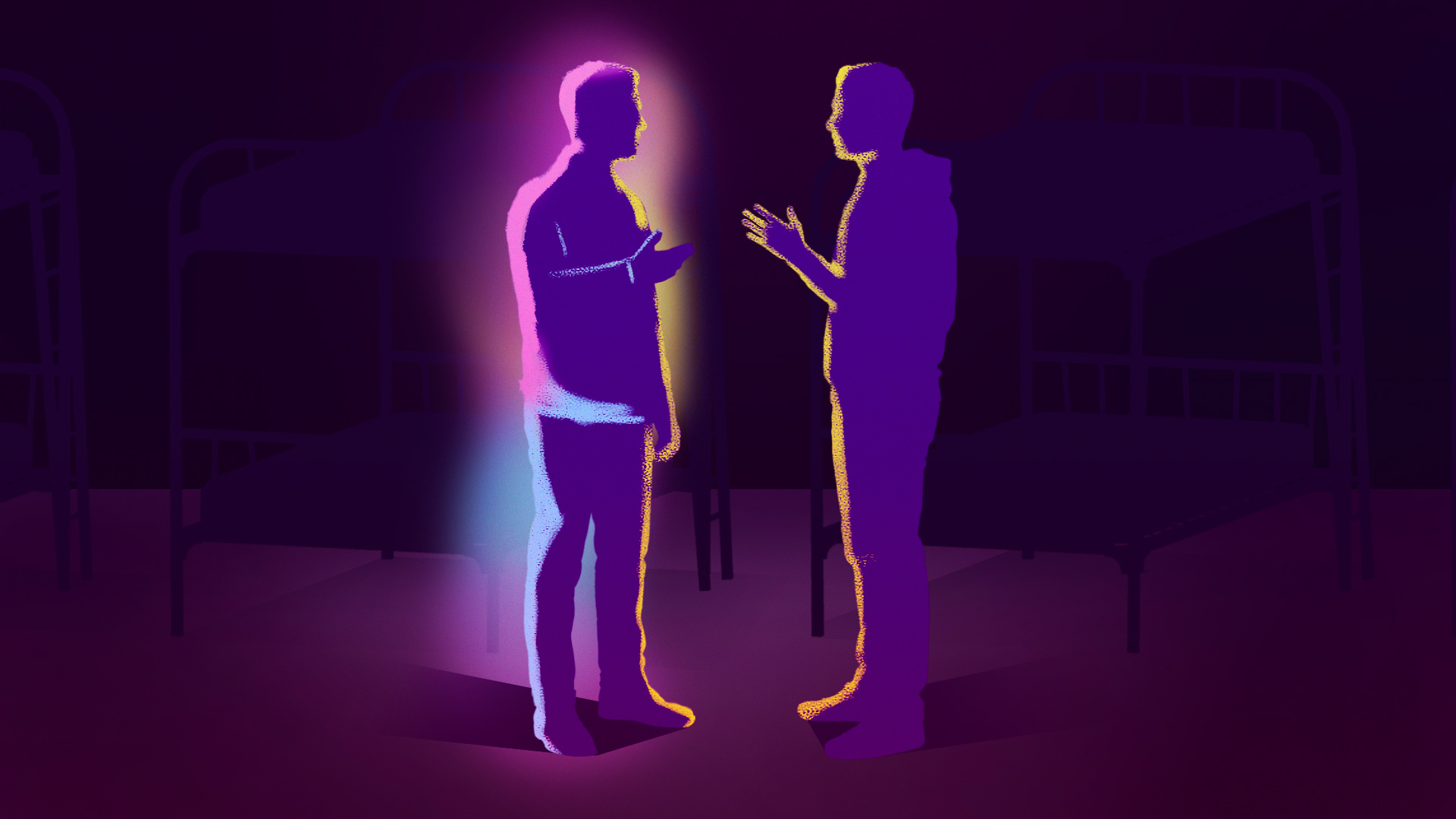
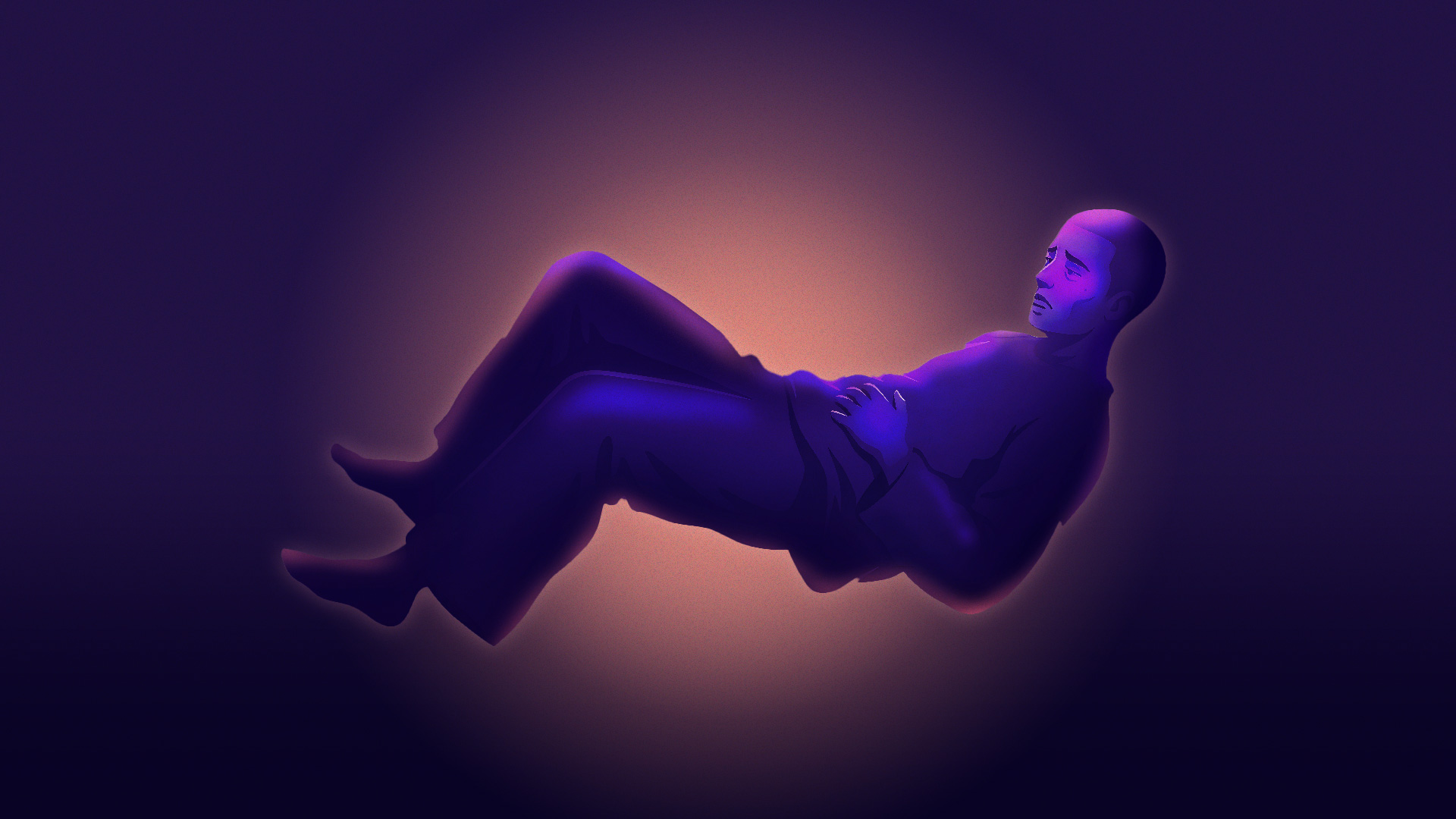
In this testimony, Omar recounts his experience with scabies in prison after several months of detention, and how the infection gradually spread until it became a daily reality for most detainees. He begins with the moment he was moved from one cell to another, unknowingly carrying lice with him, leading to weeks spent plucking out his body hair by hand, trying to eliminate the insects in the absence of the most basic means of hygiene or treatment.

Omar also reflects on the psychological and social weight of the illness in the confined space of the cell: denial at first, anxiety about how others perceive it, the dark humor that survival produced, and later, after release, the fear of infecting family and friends despite doctors confirming he was no longer contagious.

This episode is not only a story about a skin disease, but about a body turned into an instrument of punishment, and about slow forms of torture that escape images and documentation. 
Assir

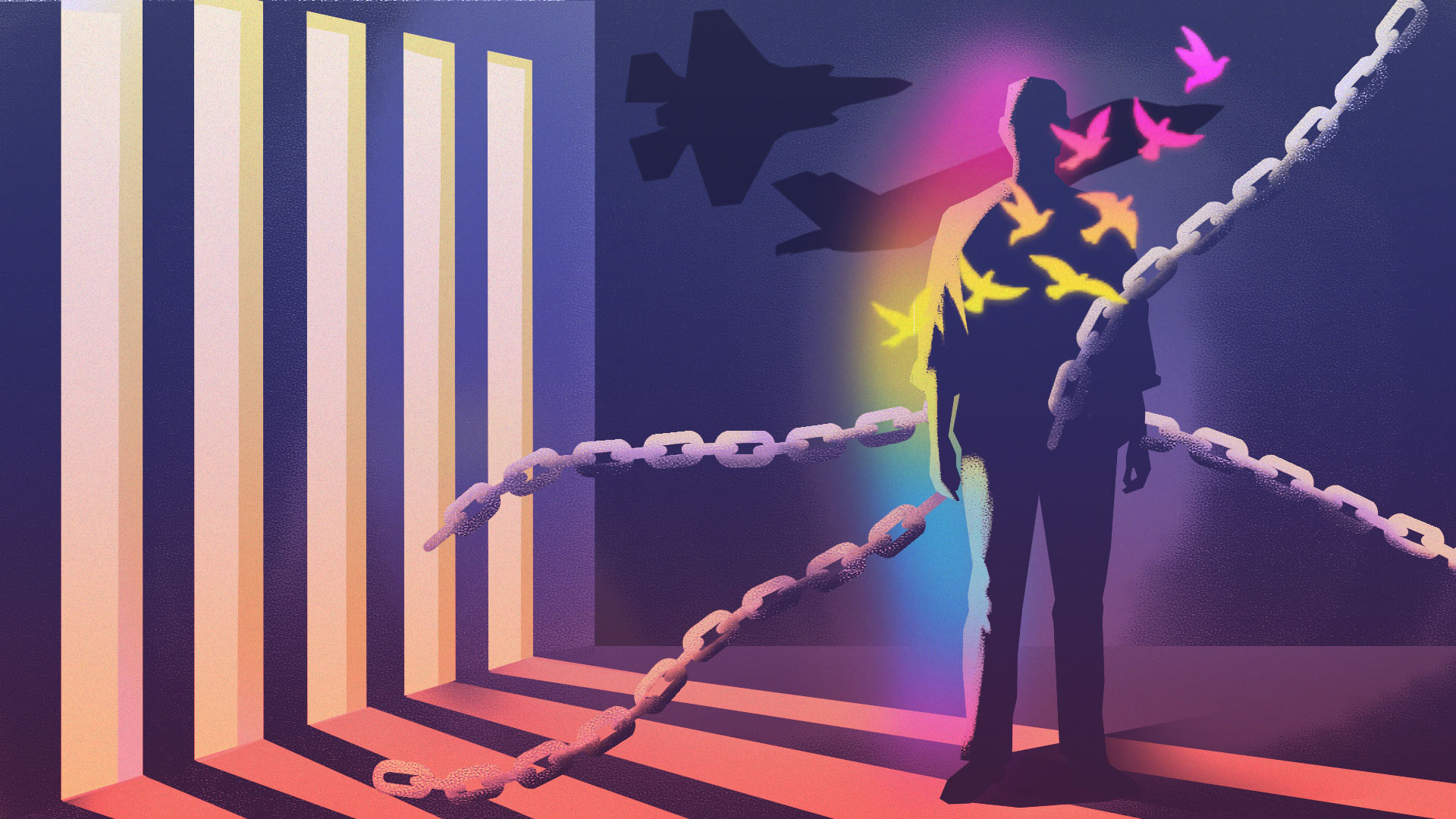
Two years after October 7, 2023, Omar Al-Khatib, the Jerusalemite researcher and freed Palestinian detainee, returns to recount his sixteen-month experience in Israeli prisons.Through a five-episode documentary series, Omar documents the details of life behind bars, in conditions marked by hunger, illness, and isolation, with a profound sense of being cut off from the outside world.Between individual memory and collective experience, he traces the transformations experienced by Palestinian prisoners since the outbreak of the war on Gaza, in a time when the body and resistance have become two sides of the same struggle.

Latest episodes

| EPISODE 3

Eating in my dreams, starving in prison
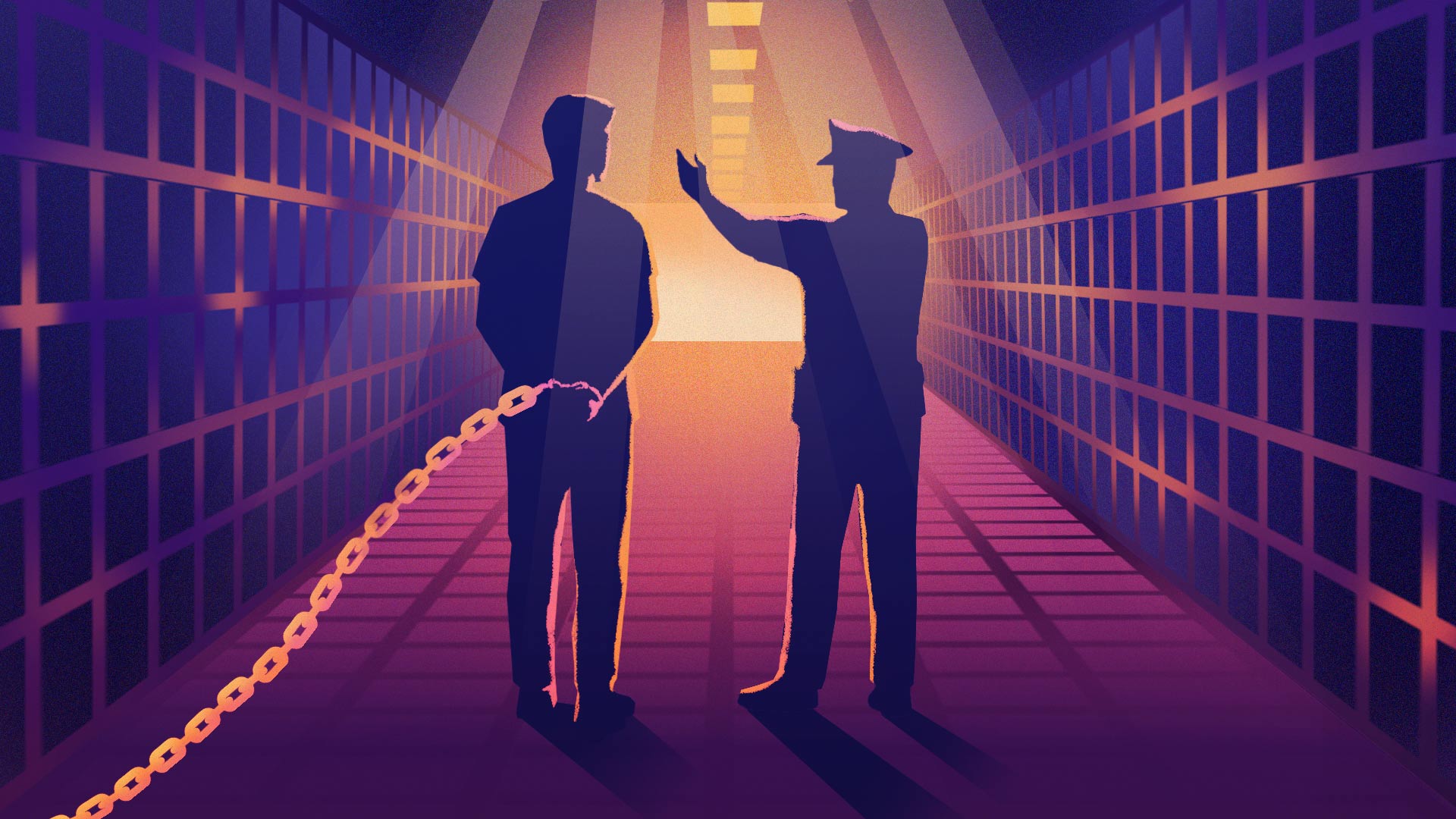
This episode presents a direct testimony about the experience of hunger inside prisons after October 7, and about how food became the central element of daily life in the cells. Omar recounts the impact of the starvation policy imposed on the prisoners, and how it shaped their dreams, their behavior, and their internal organization. From dreaming about food, to storing bread, to a rudimentary barter system, and finally to the tensions and solidarity among prisoners, a documentation of a life governed by severe scarcity, and of hunger turned into a tool of control and punishment.

| EPISODE 2

Humiliation hurts most

Omar recounts how shock and helplessness intertwined in his early days of detention, and how systematic insults became a tool to subdue inmates and silence them through the threat of collective punishment. This is not merely an account of violations, but an attempt to understand how language itself becomes a precise weapon used to erode dignity and restrict any space for resistance within a system designed to strip away humanity.

| EPISODE 1

Interrupted Call

Omar tells us, that during his first days in detention, he repeatedly told prisoners he had been traveling for ten days and hadn’t followed the news, a statement that became a recurring disappointment in every cell he entered. He explains how the circulation of news inside prison resembled an “interrupted call” shaped by fear, survival, and the hunger for hope.

ABOUT

Inkyfada Podcast is the first platform entirely dedicated to original Tunisian podcasts, and was conceived by Inkyfada media in collaboration with the in-house research and development laboratory, InkyLab.
Inkyfada joined the global podcast boom in 2017, when the team produced the first Tunisian audio documentary, diving deep into the belly of the El Kamour struggle taking place in the desert.
Since then, Inkyfada Podcast has produced a wide variety of documentaries, investigations, and podcast series, as well as articles accompanied by music; covering a multitude of contemporary issues in order to offer an immersive and alternative podcast experience.
Whilst exclusively offering audio content, the Inkyfada Podcast team upholds the same core values and principles of inkyfada.com, and is committed to producing high quality content though a dynamic and meticulous production process.
In addition to the permanent team, Inkyfada podcast works closely with various journalists, artists, illustrators, musicians and other content creators in order to diversify the platform and support artistic creativity.
These podcasts differ from traditional radiophonic content in that the applied production and editing process is more akin to cinematographic techniques, in addition to being web-based, downloadable and accessible on demand.
Additionally, Inkyfada Podcast uniquely offers subtitles in French, Arabic and English for all audio content, the majority of which is recorded in Tunisian or in the preferred language of the speaker in question.

More information