
00:00
00:00
00:00
00:00

| EPISODE 5

In Parentheses

In early November 2024, Omar recalls his transfer after eight months in prison to a new cell, where he began to experience the hardest period of his life due to a scabies outbreak, and his meeting with new cellmates, including Osama and Saif, who played an important role in supporting him emotionally, amid his fears of having his identity exposed and his connection to stigmatized human rights causes.
17 December 2025
series [{"user_id":"3676","role":"Editorial support"},{"user_id":"1473","role":"Sound design"},{"user_id":"1408","role":"Graphic arts"}] https://inkyfada.com/wp-content/uploads/2025/12/Assir-Ep05-بين-قوسين.mp3 Podcast : Assir - Episode 05 : Entre parenthèses | بودكاست: "أسير" - الحلقة 05 : بين قوسين | Podcast : Assir - Episode 05 : In Parentheses Episode 05 : Entre parenthèses | الحلقة 05 : بين قوسين | Episode 05 : In Parentheses
في بداية نوفمبر 2024، يسترجع عمر نقله بعد ثمانية أشهر في السجن، إلى زنزانة جديدة حيث بدأ يعيش أصعب فترات حياته نتيجة وباء الجرب، وتعرفه على زملاء جدد من بينهم أسامة وسيف، الذين لعبا دورا مهما في دعمه النفسي، وسط مخاوفه من كشف هويته وارتباطه بقضايا حقوقية موصومة.

In early November 2024, Omar recalls his transfer after eight months in prison to a new cell, where he began to experience the hardest period of his life due to a scabies outbreak, and his meeting with new cellmates, including Osama and Saif, who played an important role in supporting him emotionally, amid his fears of having his identity exposed and his connection to stigmatized human rights causes.

Début novembre 2024, Omar se remémore son transfert après huit mois de détention vers une nouvelle cellule, où il a commencé à vivre la période la plus difficile de sa vie à cause d’une épidémie de gale, et sa rencontre avec de nouveaux codétenus, dont Osama et Saif, qui ont joué un rôle important dans son soutien psychologique, au milieu de ses craintes concernant la révélation de son identité et son lien avec des causes de droits humains stigmatisées.

93469
Created by
Omar al Khatib
Editorial support
Manel Lassoued
Sound design
Oussema Gaidi
Graphic arts
Hathemi Smedhi

In this testimony, Omar recounts his experience in a new cell after months of detention, finding himself among inmates from different factions, in a violent environment following the events of October 7. He describes his fear when he realized that his true identity and work might be known to others, and the psychological and social danger that accompanied this awareness.

He emphasizes the importance of the relationship he built with Osama and Saif, who became his support in facing daily suffering: the physical pain from a scabies outbreak, the difficulty of bathing, the isolation in a cramped cell, and the prohibition from going out to the yard, where every small challenge became a test of survival. Yet he also recounts the human moments: long conversations during yard time about gender identities and sexual orientation, muted laughter amidst pain, and the sense of safety when others recognized his effort and presence.

This testimony is not merely a story of fear or friendship, but about the body and identity under harsh conditions, and about managing daily life in prison under a strict system that limits communication with the outside world, where every small act like bathing, speaking, or moving becomes a sign of survival.
Assir

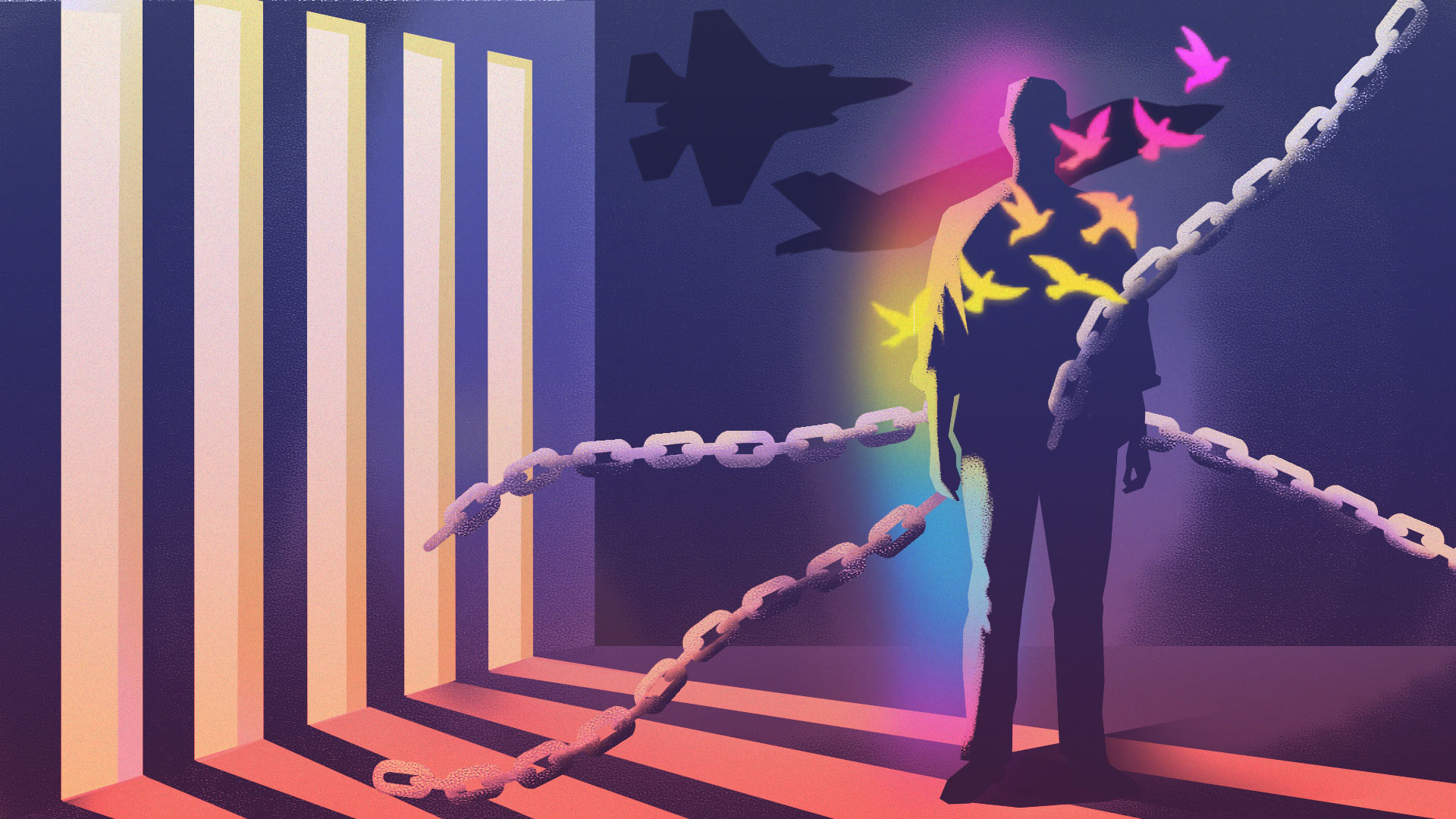
Two years after October 7, 2023, Omar Al-Khatib, the Jerusalemite researcher and freed Palestinian detainee, returns to recount his sixteen-month experience in Israeli prisons.Through a five-episode documentary series, Omar documents the details of life behind bars, in conditions marked by hunger, illness, and isolation, with a profound sense of being cut off from the outside world.Between individual memory and collective experience, he traces the transformations experienced by Palestinian prisoners since the outbreak of the war on Gaza, in a time when the body and resistance have become two sides of the same struggle.

Latest episodes

| EPISODE 4

My body became a battlefield for torture
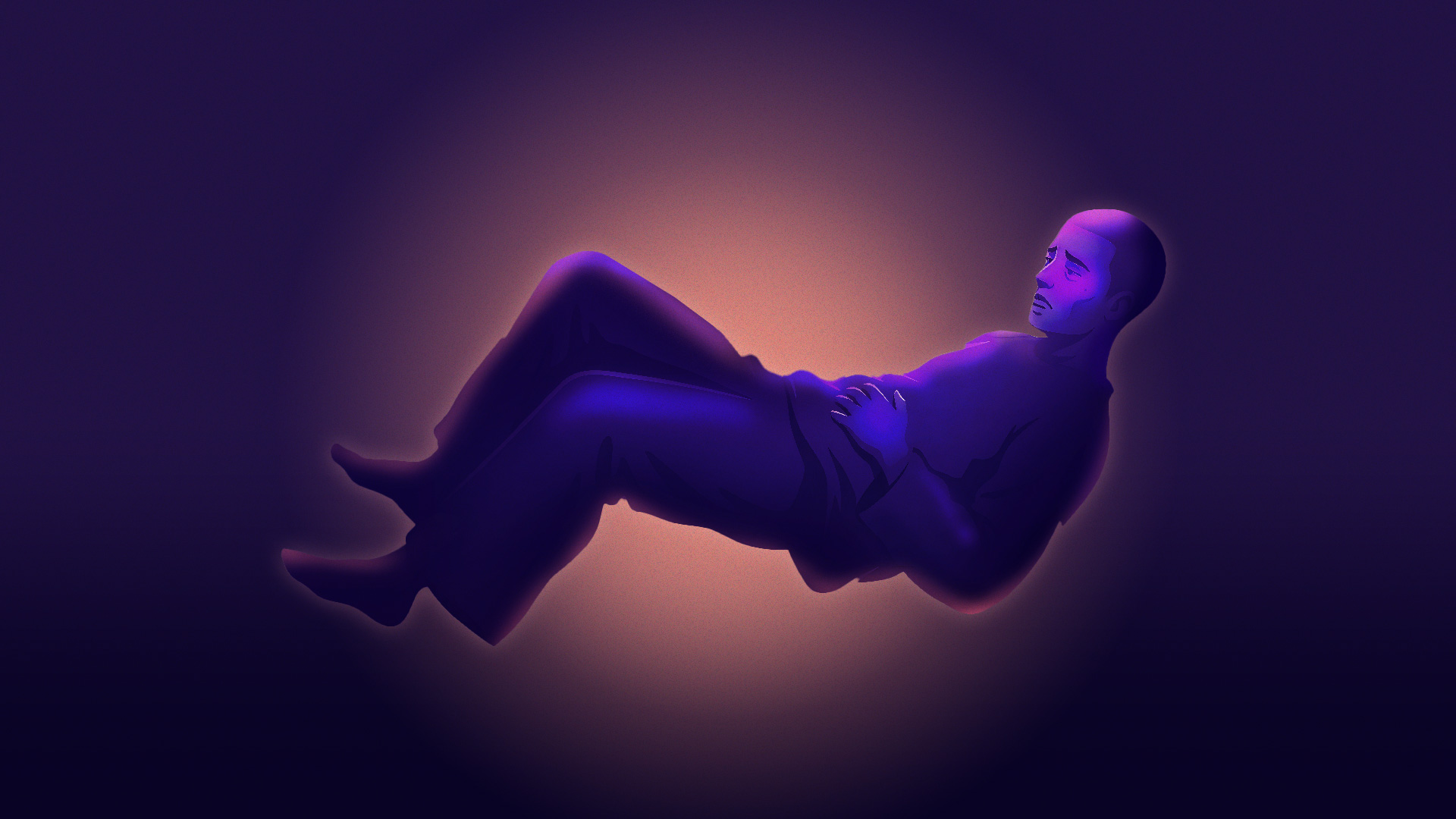
How does a prisoner’s body become a battlefield? In this episode, Omar recounts months of constant itching, lice, scabies, painful boils, and fragmented sleep, a condition easily treatable outside prison, yet turned inside into a daily method of torture.

| EPISODE 3

Eating in my dreams, starving in prison
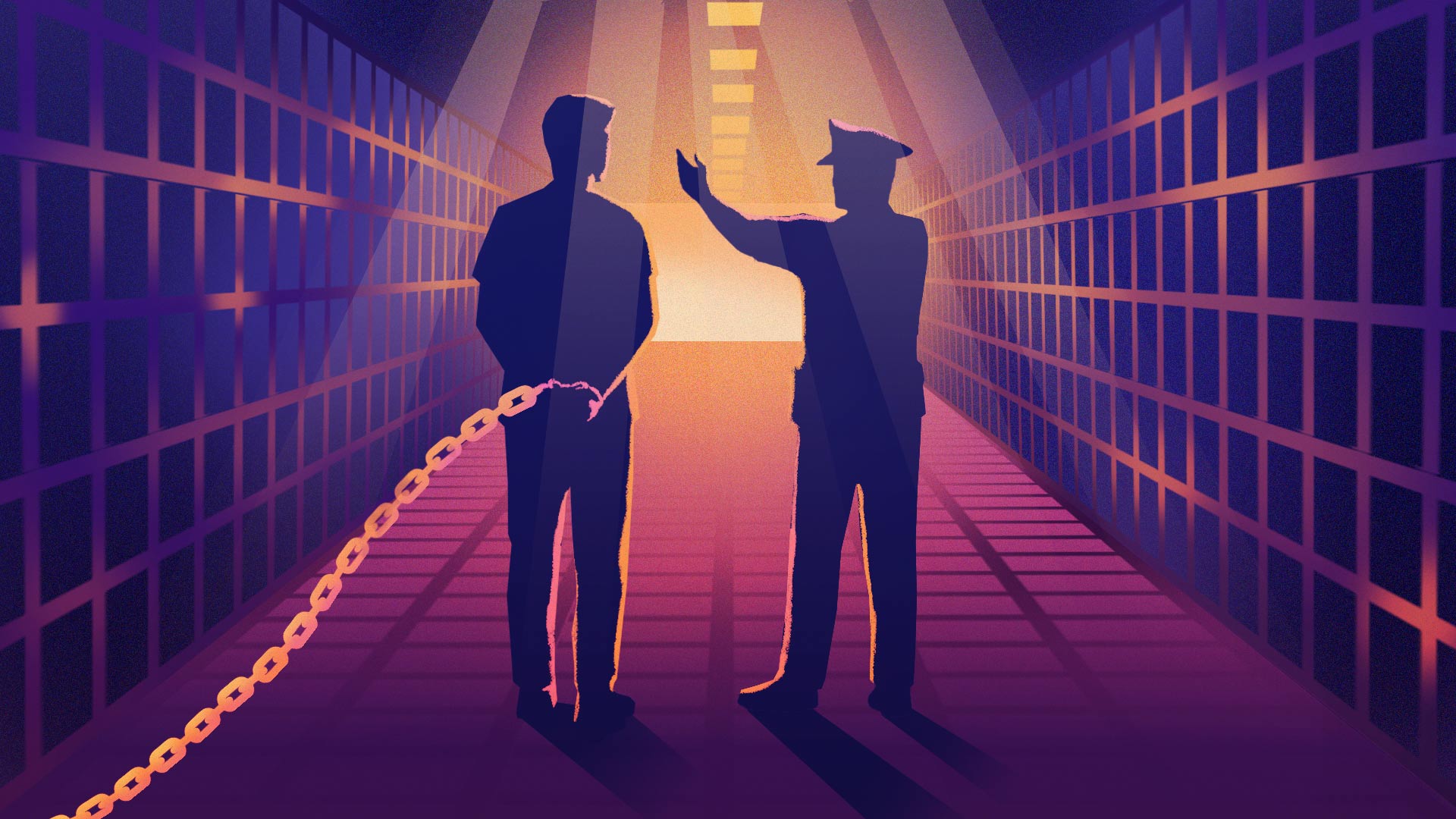
This episode presents a direct testimony about the experience of hunger inside prisons after October 7, and about how food became the central element of daily life in the cells. Omar recounts the impact of the starvation policy imposed on the prisoners, and how it shaped their dreams, their behavior, and their internal organization. From dreaming about food, to storing bread, to a rudimentary barter system, and finally to the tensions and solidarity among prisoners, a documentation of a life governed by severe scarcity, and of hunger turned into a tool of control and punishment.

| EPISODE 2

Humiliation hurts most

Omar recounts how shock and helplessness intertwined in his early days of detention, and how systematic insults became a tool to subdue inmates and silence them through the threat of collective punishment. This is not merely an account of violations, but an attempt to understand how language itself becomes a precise weapon used to erode dignity and restrict any space for resistance within a system designed to strip away humanity.

ABOUT

Inkyfada Podcast is the first platform entirely dedicated to original Tunisian podcasts, and was conceived by Inkyfada media in collaboration with the in-house research and development laboratory, InkyLab.
Inkyfada joined the global podcast boom in 2017, when the team produced the first Tunisian audio documentary, diving deep into the belly of the El Kamour struggle taking place in the desert.
Since then, Inkyfada Podcast has produced a wide variety of documentaries, investigations, and podcast series, as well as articles accompanied by music; covering a multitude of contemporary issues in order to offer an immersive and alternative podcast experience.
Whilst exclusively offering audio content, the Inkyfada Podcast team upholds the same core values and principles of inkyfada.com, and is committed to producing high quality content though a dynamic and meticulous production process.
In addition to the permanent team, Inkyfada podcast works closely with various journalists, artists, illustrators, musicians and other content creators in order to diversify the platform and support artistic creativity.
These podcasts differ from traditional radiophonic content in that the applied production and editing process is more akin to cinematographic techniques, in addition to being web-based, downloadable and accessible on demand.
Additionally, Inkyfada Podcast uniquely offers subtitles in French, Arabic and English for all audio content, the majority of which is recorded in Tunisian or in the preferred language of the speaker in question.

More information