

Shifting Poles
Latest episode
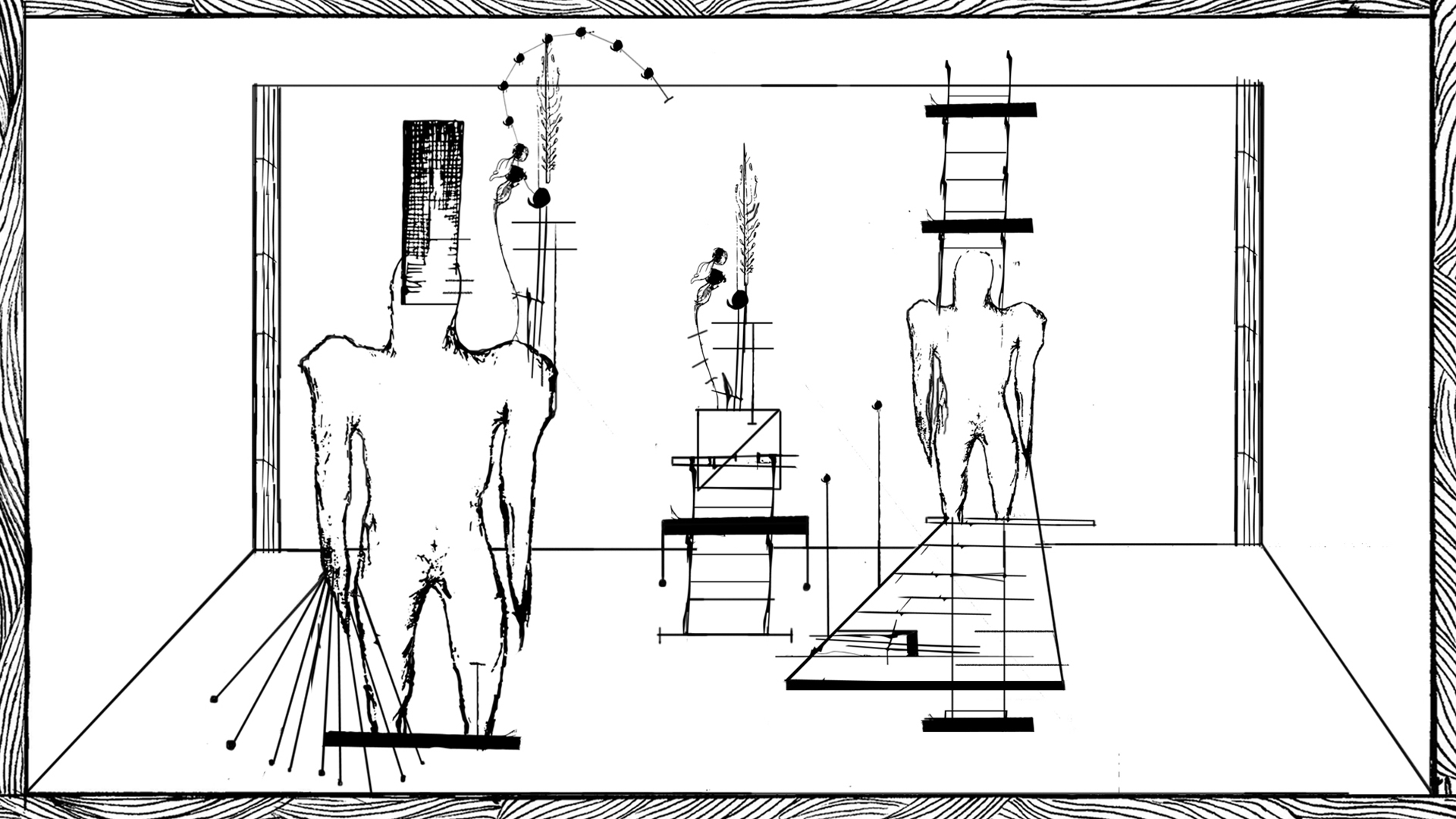
On the other side
ALL EPISODES
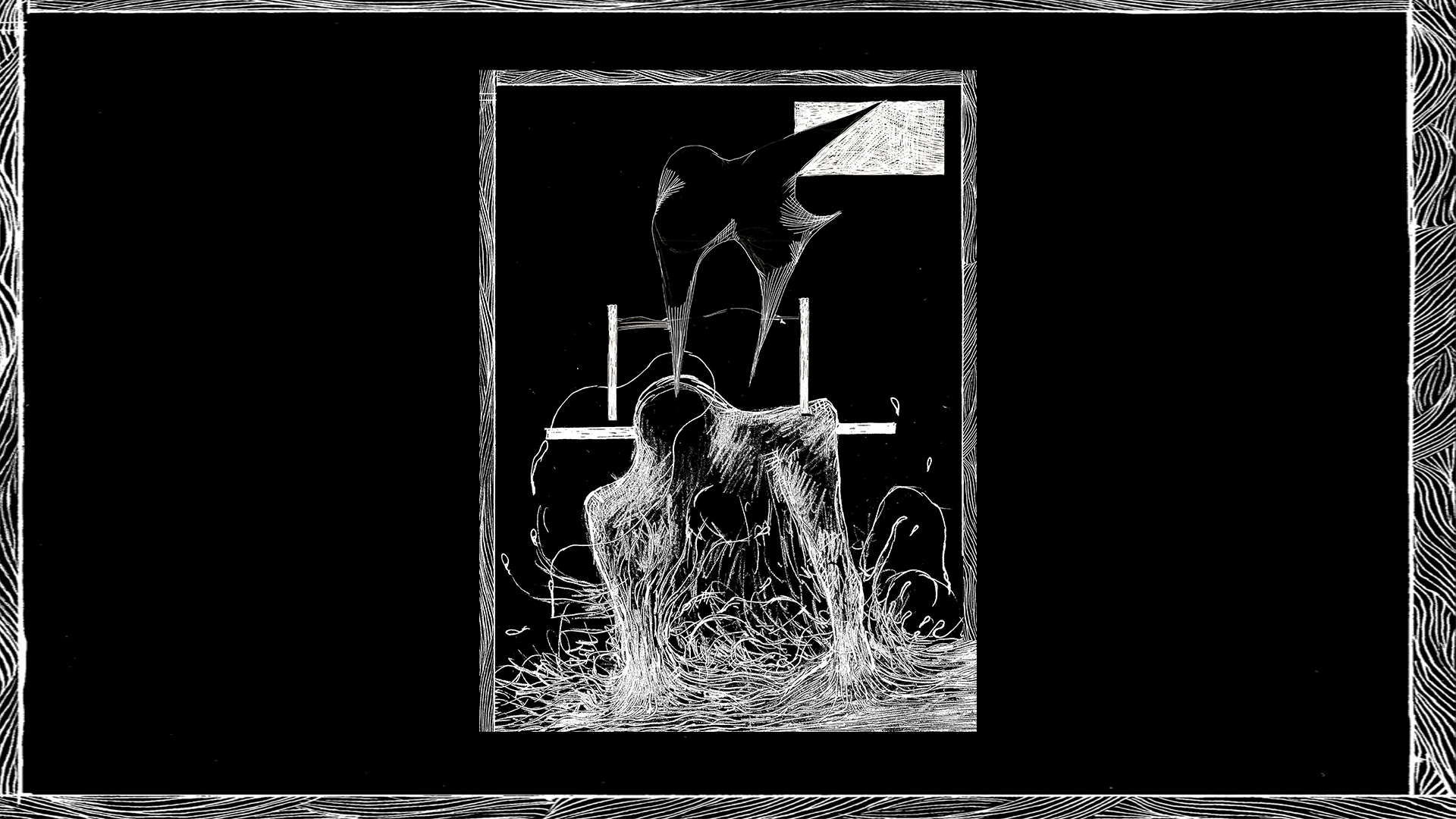 | EPISODE 3The Rebellious wings | This episode marks the final chapter of the immersion into the particular worlds of artists Rania and Omar, navigating the labyrinths of suffering from bipolar disorder. | |
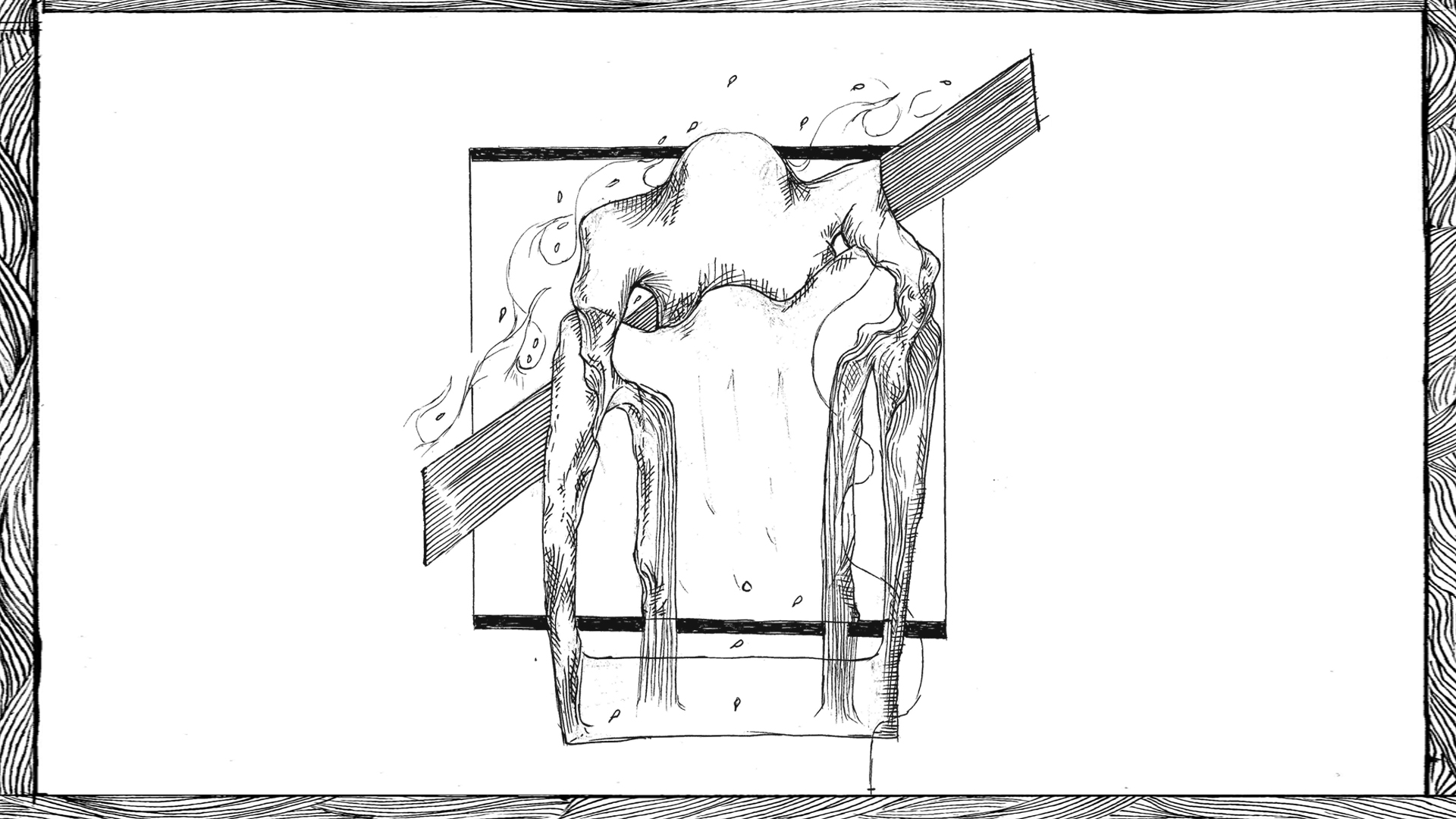 | EPISODE 2Two flew over the swallow's nest | "The first time you walk in there, you don't understand anything," Omar describes. In this episode, Rania and Omar tell us about the circumstances of their admission to the Razi psychiatric hospital, their impressions, and their interactions with the patients and medical staff. Their voices, like memory books, plunge us into the heart of this institution and their daily lives. | |
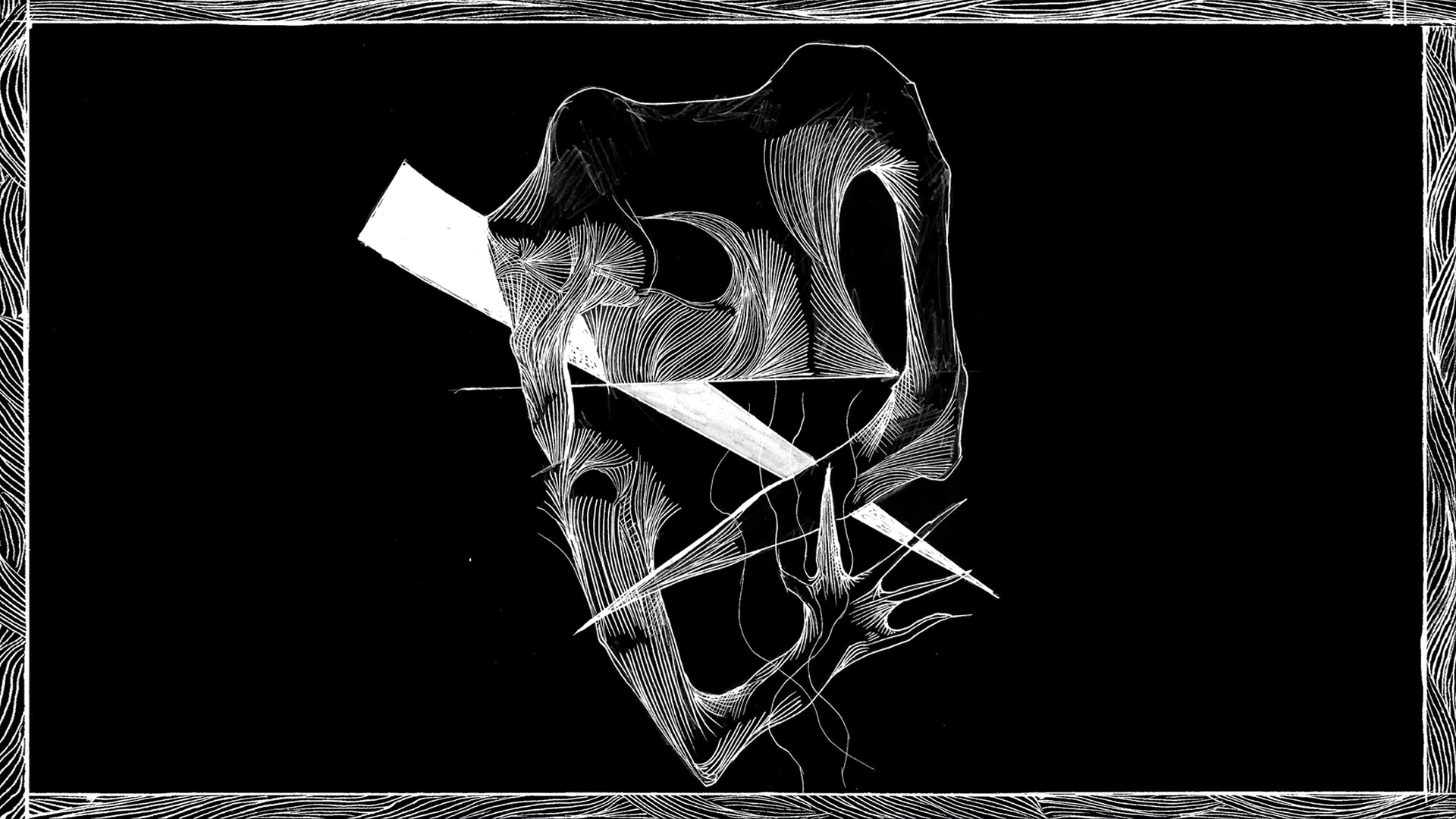 | EPISODE 1Journey to the end of the indescribable | This first episode is a seamless immersion into the individual worlds of Rania and Omar as they recount their journeys and experiences, as well as the preconceived notions surrounding bipolarity, oscillating between laughter and bitterness. | |
Recommended for you
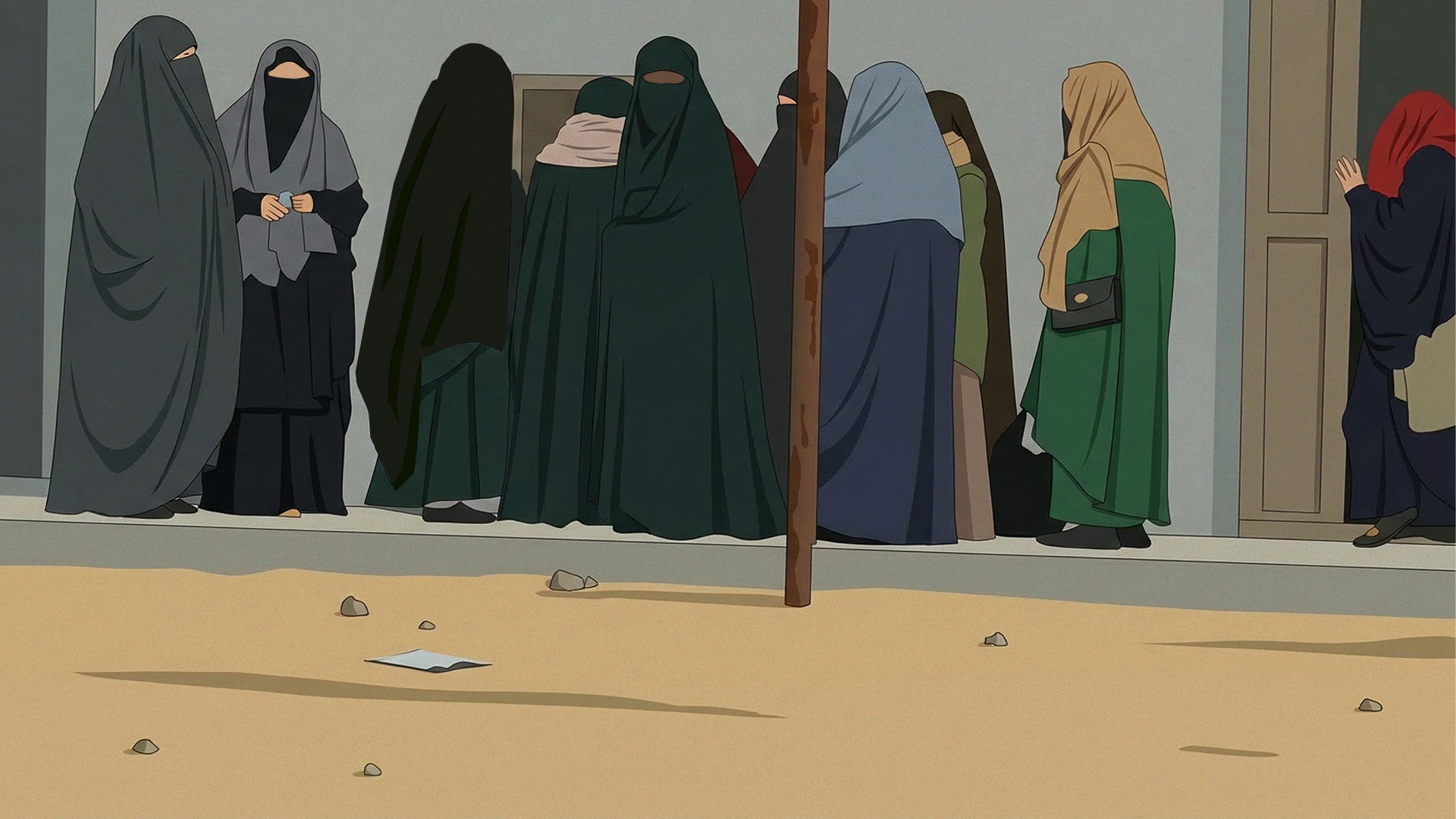
In the heart of Al Roj
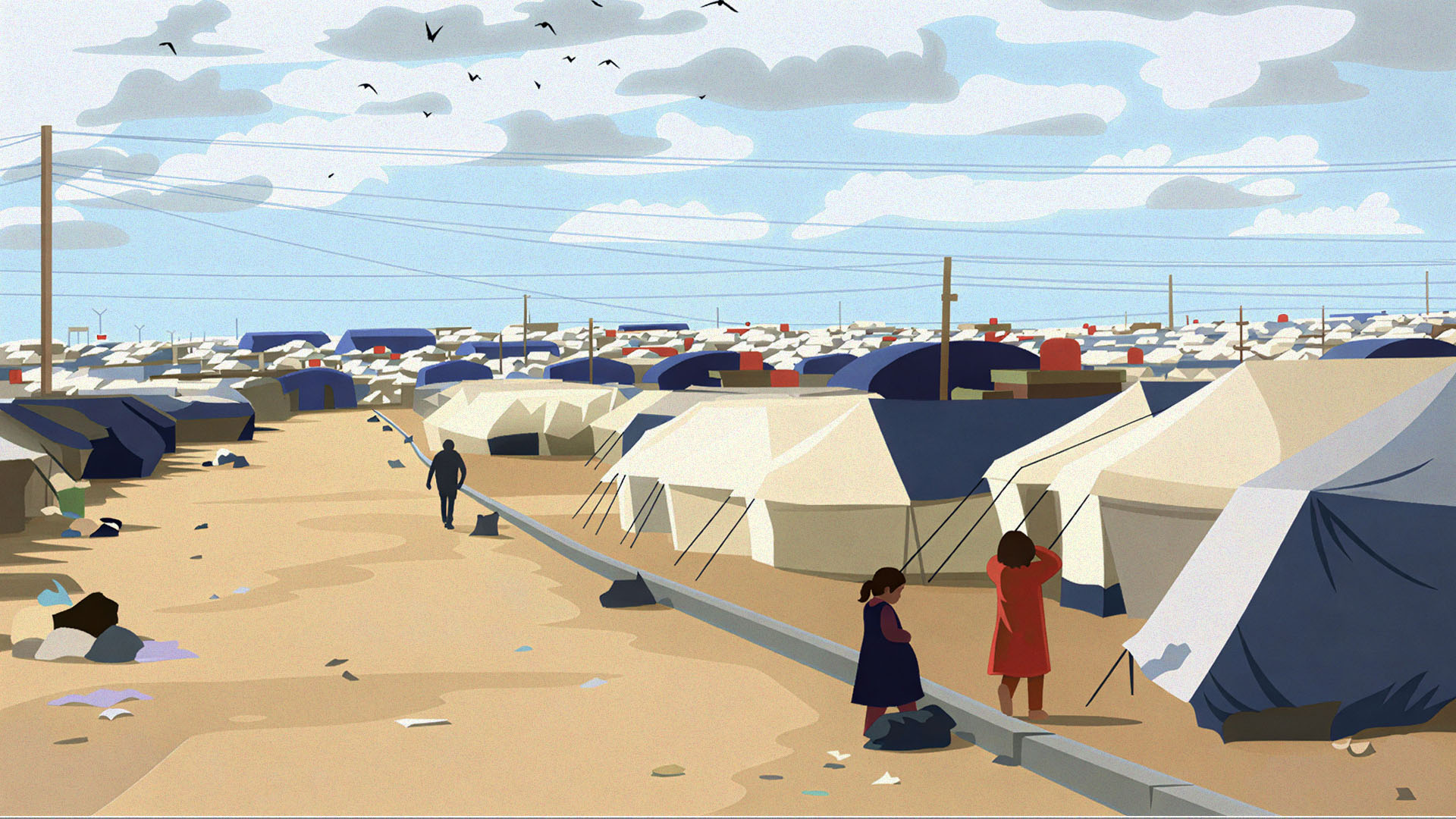
kids off the grid
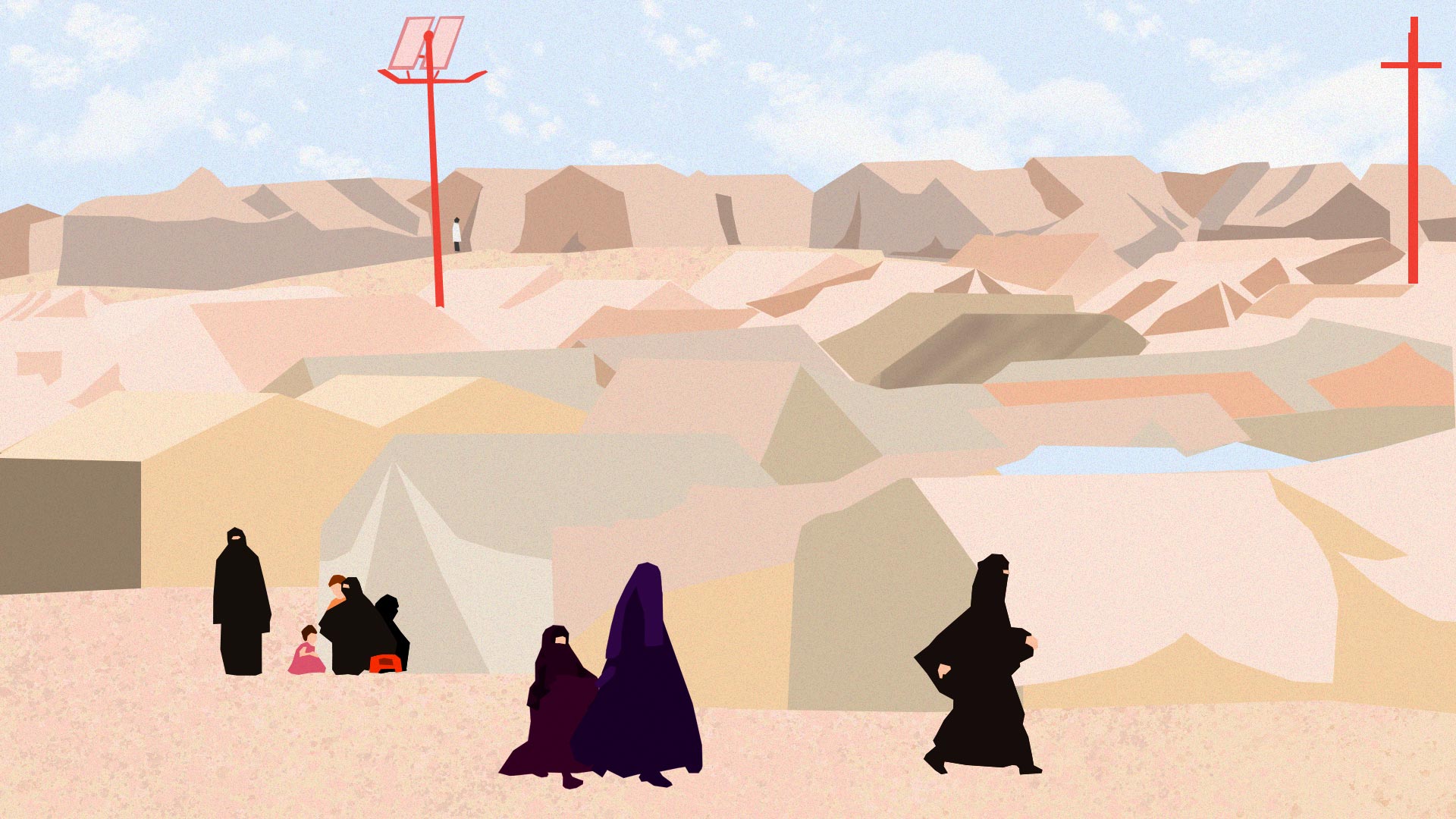
A lost life
ABOUT
Inkyfada Podcast is the first platform entirely dedicated to original Tunisian podcasts, and was conceived by Inkyfada media in collaboration with the in-house research and development laboratory, InkyLab. Inkyfada joined the global podcast boom in 2017, when the team produced the first Tunisian audio documentary, diving deep into the belly of the El Kamour struggle taking place in the desert. Since then, Inkyfada Podcast has produced a wide variety of documentaries, investigations, and podcast series, as well as articles accompanied by music; covering a multitude of contemporary issues in order to offer an immersive and alternative podcast experience. Whilst exclusively offering audio content, the Inkyfada Podcast team upholds the same core values and principles of inkyfada.com, and is committed to producing high quality content though a dynamic and meticulous production process. In addition to the permanent team, Inkyfada podcast works closely with various journalists, artists, illustrators, musicians and other content creators in order to diversify the platform and support artistic creativity. These podcasts differ from traditional radiophonic content in that the applied production and editing process is more akin to cinematographic techniques, in addition to being web-based, downloadable and accessible on demand. Additionally, Inkyfada Podcast uniquely offers subtitles in French, Arabic and English for all audio content, the majority of which is recorded in Tunisian or in the preferred language of the speaker in question.
SUBSCRIBE
Our podcasts are also available on:


NEWSLETTER
Subscribe to our newsletter and receive the latest updates.
Your email address is only used to send you inkyfada podcast newsletters. You can use the unsubscribe link integrated in the newsletter at any time.